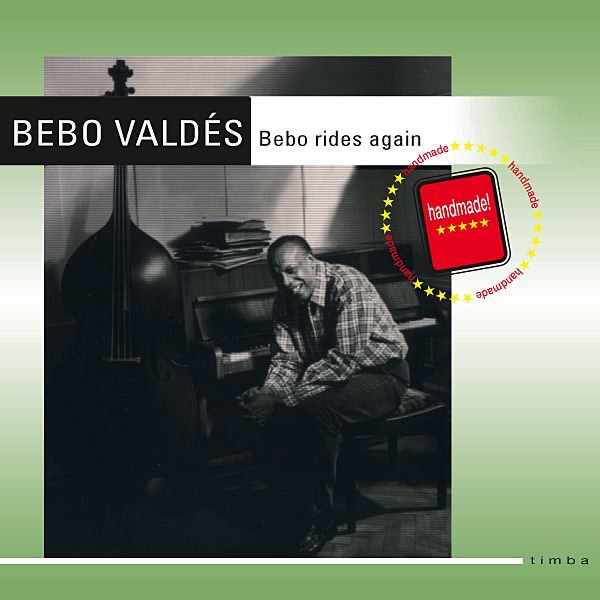
The Mambo Architect's Solo Statement
Valdés plays with the swagger of a man who invented half the rhythm under his own hands.
From the first notes, you hear a pianist completely in command — bright, percussive, unhurried. The rhythm section locks in tight, and Valdés dominates without effort, his left hand driving the mambo pulse while his right hand spins out ornamental runs and sudden stabs. There's no wasted motion here. This is a working session where the arranger and bandleader steps back and lets the fingers do the talking, and what the fingers say is: I built this music, I know every angle of it.
Bebo Valdés spent decades composing and arranging for Cuban big bands, creating the mambo and chachachá arrangements that defined Havana's golden age. By this point in his career, he had already shaped the sound of Cuban popular music. Bebo (1959) is him in trio and small group settings, showing the architecture underneath all those lush arrangements — the actual swing, the actual sophistication. He's working in the batanga groove he pioneered, mixing it with mambo inflections, and the result is relaxed but never slack. Every phrase implies the big band arrangements that came before it.
This album matters because it proves Valdés was not just an arranger imposing sophistication from above; he was a pianist with deep pocket and taste, someone who could make a simple trio setting sound inevitable. It's the sound of a master musician playing exactly what he wanted to play, without apology or decoration.
Who's playing
Bebo Valdéspiano