Pete Rugolo's Architecture for Kenton's Vision
Rugolo's arrangements gave Kenton's orchestra the language it needed to sound modern without losing its swing.
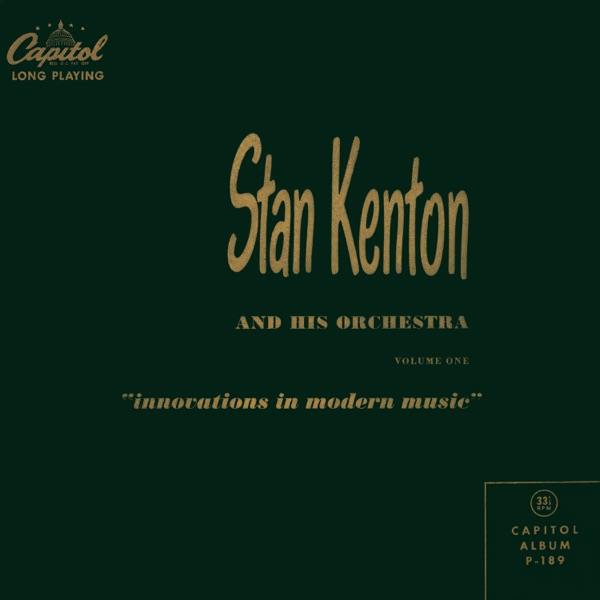
Pete Rugolo was the invisible hand that made Innovations in Modern Music cohere. As arranger and composer, he didn't play an instrument on the session — his contribution was structural, architectural. Kenton led the orchestra, but Rugolo wrote the blueprints. His arrangements took what Kenton wanted to explore — larger ensembles, orchestral color, bebop harmonies applied to big band texture — and actually made it work on the bandstand.
What makes this album distinct is how carefully Rugolo balanced experiment with accessibility. These weren't avant-garde sketches or self-conscious modernisms. They were fully realized pieces that respected the orchestra's swing tradition while pushing into new territory. The arrangements breathe. They give soloists room to land their ideas, and they frame those ideas with orchestral counterpoint that actually enhances rather than crowds them out. Rugolo understood that you could be ambitious about harmony and orchestration without sacrificing the forward motion that makes jazz swing.
This early collaboration between Kenton and Rugolo set the tone for everything that followed. The album matters because it proved that a big orchestra could explore modern jazz composition without becoming academic or precious. Listeners who come to Kenton through his later work will recognize the foundation here — the confidence, the color, the sense that size itself isn't the point, clarity is.
Where next?
More by Stan Kenton
All 37 albums →