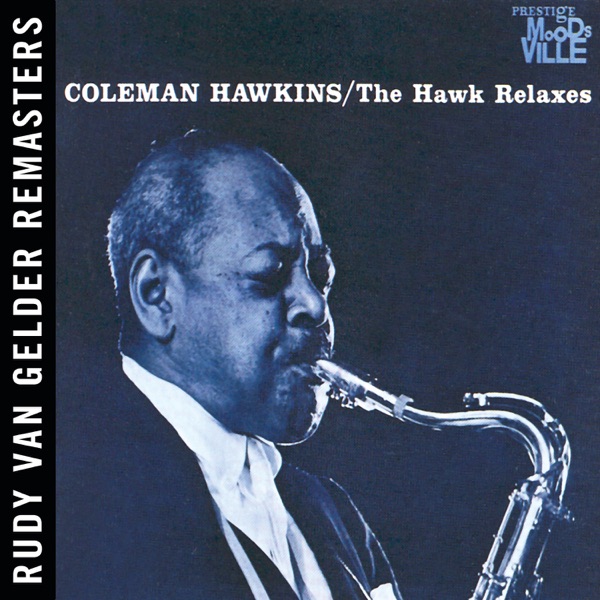
Still Swinging Hard in 1959
Hawkins at 56, proving he could still generate fireworks on a straightforward blowing date.
By 1959, Coleman Hawkins had already spent four decades reshaping how the saxophone could sound in jazz. Hawk Eyes finds him in his mid-fifties, still hungry and still capable of leading a session that crackles with energy. This isn't a valedictory record or a backward glance—it's a working musician doing what he does: blowing hard through a set of standards and originals with players who can keep up.
The session trades in the kind of extended jamming that Hawkins loved. There's no conceptual hook here, no producer's vision imposed from above. These are long takes where the band settles in and explores, and according to AllMusic, the results deliver plenty of fireworks and frequently exciting moments. The tenor saxophone remains front and center, as it should be, with Hawkins steering the ship and keeping the energy moving. This is functional jazz done well—not trying to break new ground, just trying to play music that swings and breathes.
In the arc of Hawkins' career, Hawk Eyes doesn't mark a turning point or a rediscovery. It's simply what a major artist sounded like in the late 1950s when he was still active and still willing to record. It won't reshape your understanding of the man, but it's a solid reminder that age hadn't dulled his appetite for the music.
Who's playing
George Duvivierdouble bass
Tiny Grimesguitar
Coleman Hawkinstenor saxophone
Charlie Shaverstrumpet
Osie Johnsondrums