Lonnie Liston Smith's Cosmic Funk Vision
Smith locked into a groove that was equal parts meditation and dance floor, keyboards floating over tight rhythms.
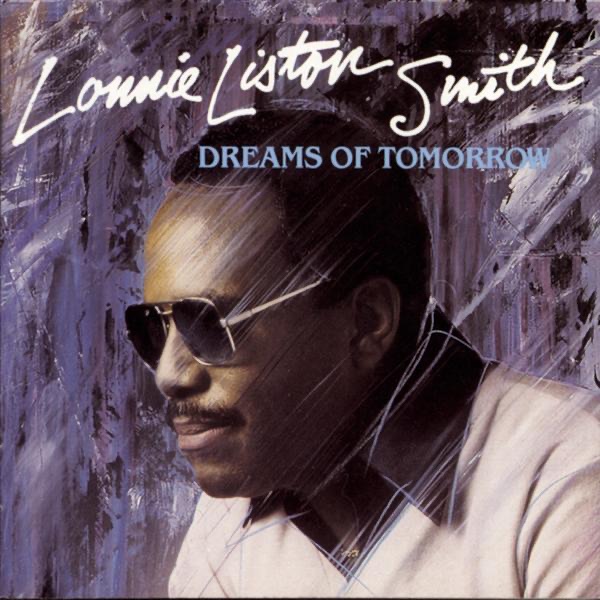
Dreams of Tomorrow arrived when Lonnie Liston Smith was deep in his fusion experiments, blending spiritual keyboard work with the kind of funk that didn't announce itself but simply took hold. Recorded for Flying Dutchman, the album captures Smith in a pocket where his synthesizers could breathe in ensemble settings — not the solo showmanship he'd built earlier in his career, but rather a collaborative groove rooted in rhythm section interplay. The material sits comfortably between the jazz-funk world and something more introspective, with Smith's Rhodes and Moog lines orbiting around locked bass and drums. Tracks move with intention rather than flash. This is working musician territory: reliable, swinging, made for actual listening rather than background hum.
By 1983, Smith had already spent years developing his voice, and that experience shows in how economical he is here. He doesn't overplay; instead, he finds spaces and fills them with exactly what each piece needs. The rhythm section holds everything together with professional precision. It's the sound of a player who knows what he wants and trusts the people around him to get there. Flying Dutchman's production gives the recordings a warm, slightly compressed quality that suits the material — nothing apologizes for itself, nothing reaches for excess.
Dreams of Tomorrow works best for listeners already familiar with Smith's catalog, those who appreciate funk that doesn't need to shout and fusion that respects the source material. It's not his most celebrated work, but it's solid evidence that he understood how to construct records that swung without sacrificing substance.
Where next?
More by Lonnie Liston Smith
All 12 albums →