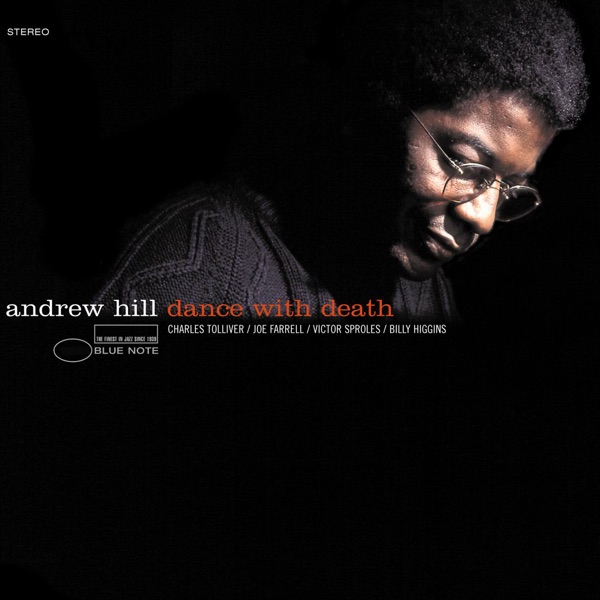
1960 · Album
Dance With Death
Recorded 1960 · Riverside Records · Produced by Orrin Keepnews
Searching for Daylight in the Dark
Hill strips jazz down to its most unsettling essentials, refusing easy answers or comfort.
Andrew Hill's Dance with Death (1960) is a genuinely disturbing record, and that's exactly what makes it matter. Released early in his career on the Riverside label, this album finds Hill working with a tight ensemble including Aydin Ince on trumpet and Julian Priester on trombone, and the music they make together sounds like nothing else coming out of jazz at the time. There's no warmth here, no swing in the traditional sense. Instead, Hill builds these angular, almost skeletal arrangements where spaces matter as much as notes. Tracks like the title tune twist and turn without resolution, leaving the listener perpetually off-balance. The whole thing feels like watching someone navigate a minefield in the dark.
What sets this apart from Hill's other work is his willingness to abandon melody almost entirely in favor of texture and mood. His piano playing here is more about creating atmosphere than showcasing technique—sparse, probing, sometimes nearly silent. Priester's trombone slides seem to question rather than answer. It's confrontational music, but never gratuitously so. Hill is after something specific: that particular anxiety of not knowing what comes next. The record moves slowly, deliberately, with the patience of someone who understands that the worst thing in any narrative is false reassurance.
This isn't his most famous record, and it's not the place to start if you're new to Hill's work—Point of Departure (1964) remains more immediately rewarding. But if you already know his music and want to understand how deep his vision ran, this is essential. It's a record made by someone uninterested in pleasing anyone, and that stubborn integrity is exactly why it still sounds startling decades later.
Who's playing
Victor Sprolesdouble bass
Andrew Hillpiano
Joe Farrellsaxophone
Charles Tollivertrumpet
Billy Higginsdrums
Where next?
More by Andrew Hill
All 13 albums →


The musicians on this record
Their own records, close in time