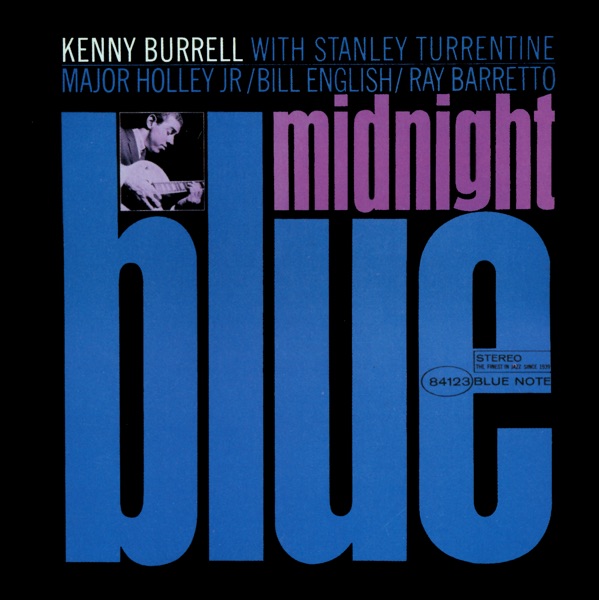
Kenny Burrell's Guitar Shapes the Sound
Burrell's guitar work gives this session its character, moving beyond the trio format into something warmer and more textured.
What makes Comin' in the Back Door distinctive is the presence of Kenny Burrell. This was not a standard piano trio date — the addition of Burrell's guitar and an orchestra shifts the whole feel of the music away from the lean, driving energy Kelly might have pursued alone. Burrell brings a bluesy, soulful warmth to these recordings, his tone full and rounded, anchoring the sessions without overwhelming Kelly's piano work. The two players have a natural compatibility; Burrell doesn't compete for space but creates a richer harmonic bed that lets Kelly breathe.
Kelly was already an established player by 1963, comfortable in trio settings and as a sideman for other leaders. This album sits comfortably in the middle of his career — neither a debut nor a late retrospective — and represents him in a collaborative mode rather than as the sole focus. The orchestra arrangements give the music a formal structure that ballad-heavy albums sometimes lack, but Burrell's guitar keeps things grounded and personal. The session works because no one musician dominates; there's a genuine ensemble feeling, with Paul Chambers on bass and Jimmy Cobb on drums providing the kind of tight, swinging foundation these tracks need.
This is solid mid-period Verve work — the kind of album that satisfies without demanding constant reassessment. Burrell's guitar is the reason to sit with it; his tone and phrasing remind you that the guitar was essential to the sound of jazz in this era, not a decorative addition.
Who's playing
Where next?


The musicians on this record
Their own records, close in time