1973 · Album
Between Nothingness & Eternity
Columbia Records · Produced by Producer information not confirmed

Where the Violin Meets the Void
Mahavishnu Orchestra proved fusion could be both intellectually demanding and genuinely strange.
Between Nothingness and Eternity sits at an odd angle in the Mahavishnu catalog—it's not the debut that announced their arrival, and it's not the album that cemented their place in fusion history. Instead, it's the record where John McLaughlin and the band were clearly thinking several moves ahead, pushing past the initial shock of electric instruments in jazz and asking what they could actually do with all that power. The guitar work here isn't flashy for flashiness's sake. McLaughlin plays with real compositional intent, weaving lines that suggest classical training and spiritual seeking in equal measure. The rhythm section locks into patterns that shouldn't work but do, creating this propulsive forward motion even when the melodies go sideways. This is the band refusing to settle into a comfortable formula, which matters because they absolutely could have coasted on what made their first albums exciting.
What distinguishes this from their earlier work is a willingness to let things breathe slightly, to trust silence as much as noise. There's still the pyrotechnic energy you'd expect—the playing is genuinely virtuosic—but there's also this underlying sense of restraint, like the band is conscious of the difference between impressive and meaningful. Some tracks feel almost meditative before they accelerate into something urgent. It's fusion that's ambitious without being exhausting, which is harder to pull off than it sounds. You can hear the influence of Indian classical music and Eastern spiritual philosophy more openly here, not as decoration but as actual structural choices affecting how songs are built.
If you're coming to Mahavishnu for the first time, this might not be the obvious entry point—you'd probably want to start with Birds of Fire (1973)—but if you've already spent time with their core records and want to see them thinking and experimenting, this one reveals a band capable of genuine artistic growth. It's a middle-period record that justifies the band's ambition.
Who's playing
Where next?
More by Mahavishnu Orchestra
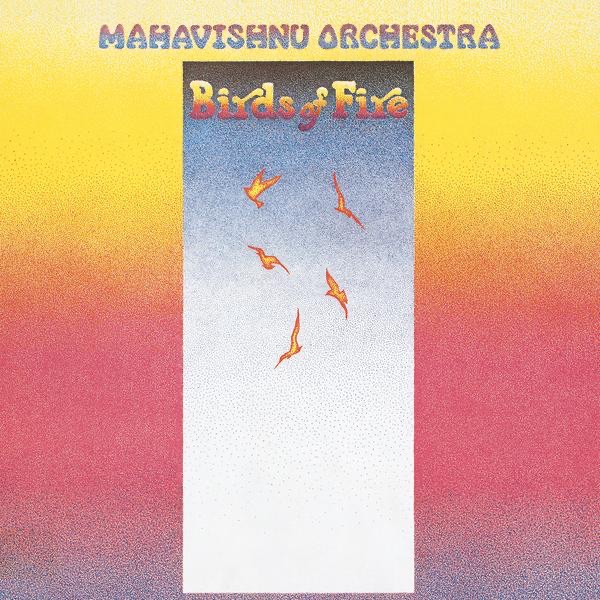
Birds Of Fire 1973

The Inner Mounting Flame 1971
Inner Mounting Flame 1971
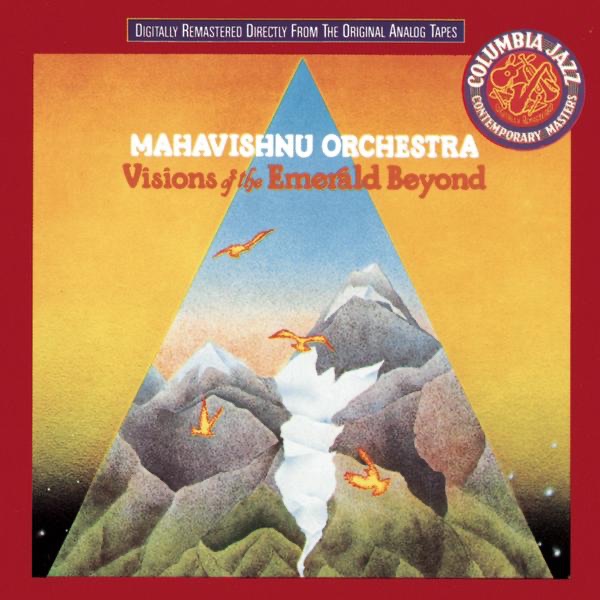
Visions of the Emerald Beyond 1975
The musicians on this record
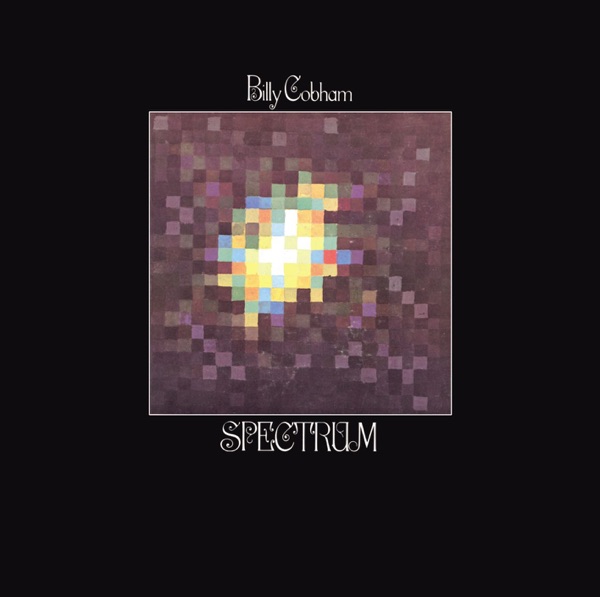
Spectrum 1973
Billy Cobham
plays drums (drum set) here
plays drums (drum set) here

My Goal’s Beyond 1971
John McLaughlin
plays guitar here
plays guitar here

Like Children 1974
Jan Hammer
plays keyboard here
plays keyboard here


