Two Voices, One Long Conversation
The performances are overly long and rambling, but the intent behind them remains genuinely interesting.
When you drop the needle on Archie Shepp & Philly Joe Jones (1969), you're met with something deliberately ungainly—long, unhurried pieces that breathe like conversations nobody asked to end. Philly Joe Jones drives a steady pulse behind Archie Shepp's tenor, while Anthony Braxton's saxophone cuts in angular, searching lines. Leroy Jenkins adds violin that feels almost out of place, which is exactly the point. Earl Freeman locks in on bass, anchoring everything that wants to drift. The album's real friction comes from its spoken passages—recitations woven into the music itself, breaking the purely instrumental flow. It's an experiment in mixing spoken word and jazz, and honestly, it doesn't always land. AllMusic reviewer Scott Yanow noted the LP "does not live up to its potential," and there's truth in that. The sidelong pieces sprawl without always justifying their length, and the rambling can test patience. But this record exists because these players believed in letting ideas unfold without rushing them. It's a document of a specific moment—Europe, 1969, when jazz musicians were still figuring out what free playing could mean. Not every experiment works. This one doesn't quite. But the ambition behind it, the refusal to tidy things up for commercial appeal, says something about where Shepp's head was at the time.
Who's playing
Where next?
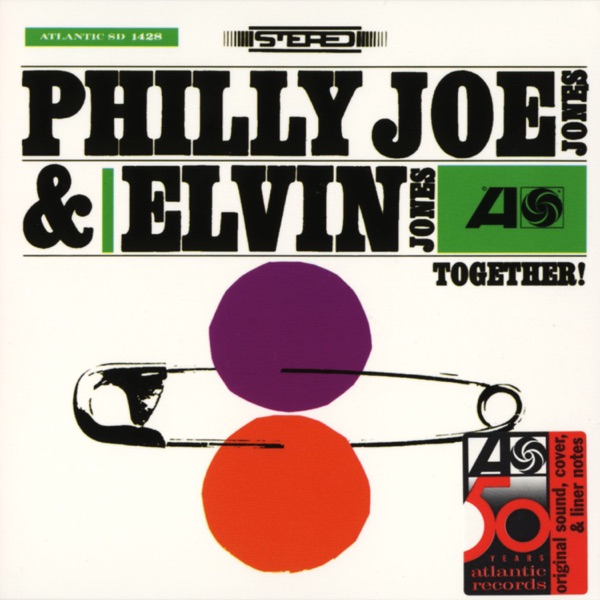
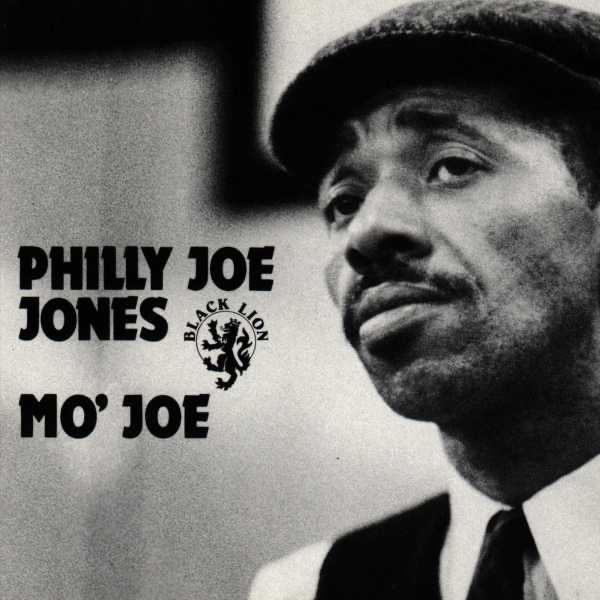
More by Philly Joe Jones
All 17 albums →

The musicians on this record
Their own records, close in time