McLaughlin Plugs In: Electronics and Uncertainty
McLaughlin chasing the future with synthesizers, uncertain whether he found it.
By 1987, John McLaughlin had spent nearly two decades proving himself one of fusion's most restless voices. Adventures in Radioland marked a deliberate pivot toward electronic exploration, built around the Synclavier and a proprietary guitar interface that let McLaughlin treat the synthesizer less as an ornament and more as an extension of his own instrument. The Relativity label release showed him genuinely interested in what new technology could unlock — not as novelty, but as genuine creative possibility.
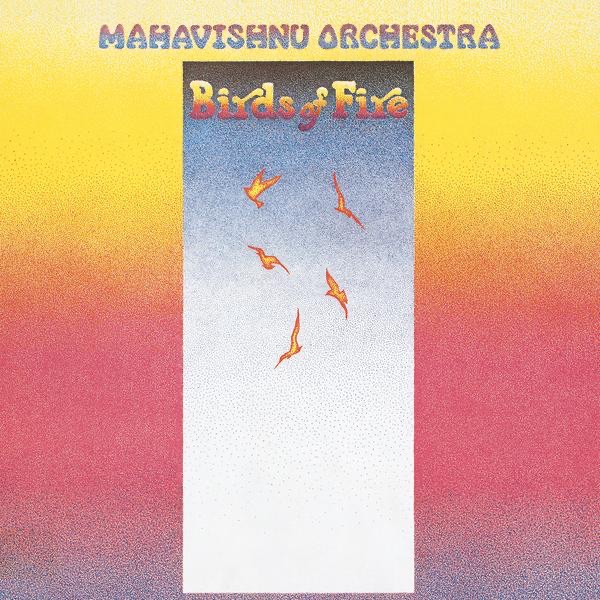
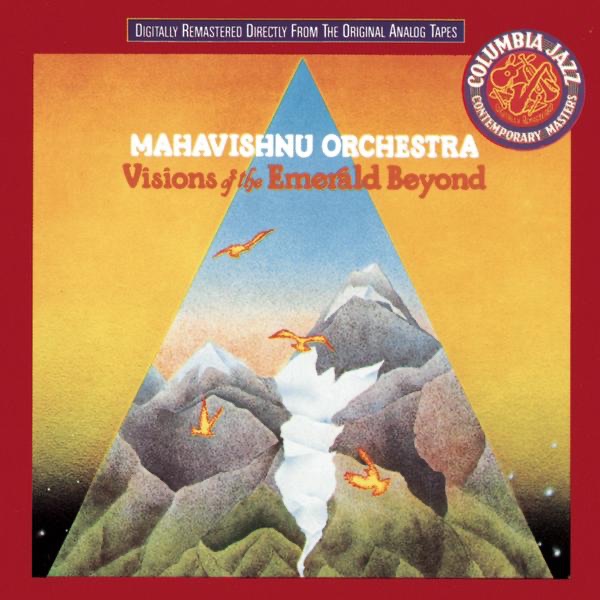
The album sits at an awkward angle in his catalog. It's not a return to anything; it's a departure pursued with real conviction. The electronic palette here is clean and sometimes clinical, which works against the visceral swing and spiritual depth that defined his best work. Where early Mahavishnu albums crackled with live ensemble energy, this one feels more solitary, McLaughlin and the machine in conversation. Tracks emphasize texture and synthesis over the kind of melodic hooks or rhythmic drive that made Mahavishnu a household name among jazz musicians. The Penguin Guide to Jazz Recordings gave it 2.5 out of 4 stars, which lands it squarely in the interesting-but-flawed category — the kind of record worth hearing if you're curious about how a major artist chases a new direction, but not essential.
It's instructive to think of Adventures in Radioland less as a peak and more as a documented risk. McLaughlin was following genuine curiosity into unfamiliar territory, which deserves respect even when the results feel tentative. This is a record for listeners who want to understand his full arc rather than just his highlights, and for anyone interested in how veteran musicians respond when the tools change.