1999 · Album
A Map of the World
Recorded 1999 · Warner Bros. Records · Produced by Pat Metheny

Quiet Geography, Open Terrain
Metheny turns a film score into something worth listening to on its own terms.
Film scores by jazz musicians occupy a strange middle ground. They serve the picture first, and whatever survives when you remove the images is what you're left with on an album. Pat Metheny's A Map of the World (1999), the soundtrack to the film of the same name starring Sigourney Weaver and based on Jane Hamilton's novel, lands squarely in that category — a carefully crafted score that holds together as a listening experience, even if it doesn't rank among Metheny's most essential work.
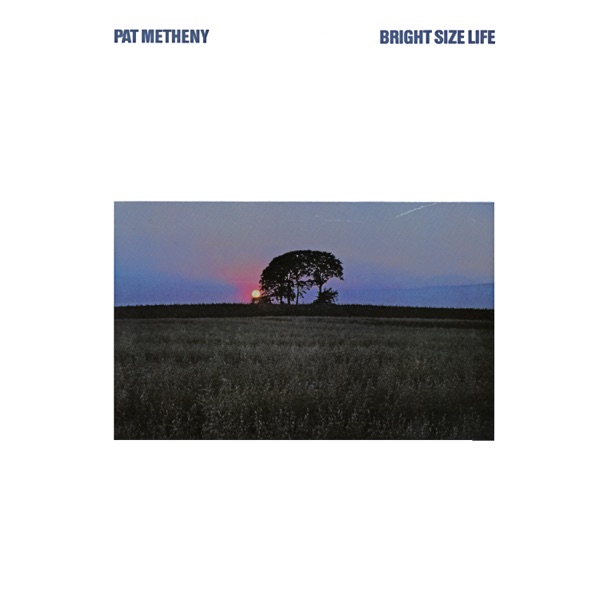
The music here is understated and spacious, which suits the film's emotional territory — rural America, grief, moral reckoning. Metheny leans into the kind of gentle melodic writing he has always done well, with acoustic guitar and orchestral textures carrying most of the weight. There are no aggressive rhythmic statements, no extended group improvisation. This is Metheny in a quieter register, and for listeners who came to him through Bright Size Life (1976) or his work with the Pat Metheny Group, that restraint might feel like a trade-off. But taken on its own terms, the score is cohesive and well-paced, with a few themes that genuinely linger.
Where the album earns attention is in how Metheny keeps it from feeling like background furniture. The melodic ideas have enough shape that you can follow them without the film as a guide. If you are already a fan of Metheny's more introspective side, this is worth an afternoon. If you are new to him, start somewhere else and circle back. As soundtracks go, it is a solid, honest piece of work — which is about the right thing to say about it.