1984 · Album
100 Hearts
Recorded 1983 · George Wein Collection (original); Blue Note Records (reissue) · Format: Solo piano

A Young Pianist Alone with the Keys
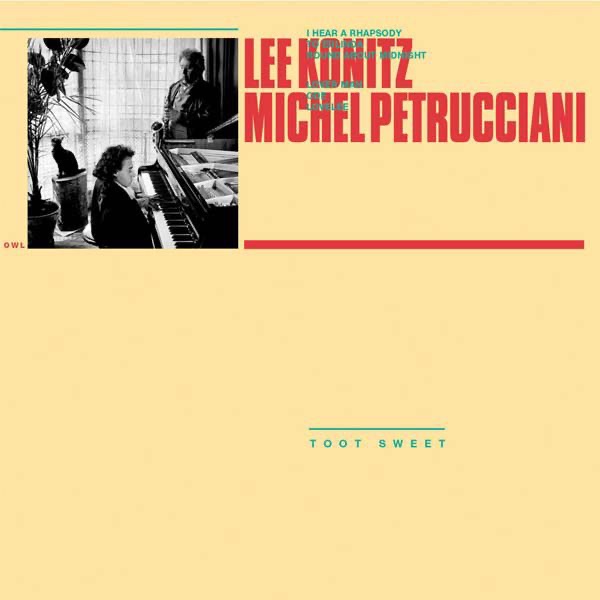
Petrucciani at the piano, unguarded and still finding his voice—a moment of pure listening.
In 1983, Michel Petrucciani was still early in his career, and 100 Hearts captures him in a vulnerable space: completely alone at the keyboard, with no one to hide behind or lean on. This is not a debut—he had already recorded and performed—but it functions like a statement of intent. A solo piano album is a test. It asks whether the player has something to say when every note is exposed, every hesitation audible, every choice his alone.
What emerges across these sessions is a pianist working through his own language, drawing from the European and American traditions he admired while starting to find angles that were distinctly his. The album has an intimate, sometimes searching quality. Petrucciani's touch is precise and his harmonic thinking sophisticated, but there's also an unfinished quality—you hear him thinking, reconsidering, pushing into ideas that don't always land cleanly. That's not a criticism. It's the sound of an artist testing ground.
The album's journey through the George Wein Collection and later reissue by Blue Note speaks to how it's been regarded: solid enough to preserve, interesting enough to revisit, but not one of those records that casual listeners reach for first. For anyone curious about Petrucciani's development, this document of him alone is worth hearing. It shows you where he was working, what mattered to him before he became known for his trio recordings and his later, more confident statements.
Who's playing
Michel Petruccianipiano