The Bass Clarinet's Full-Time Job
Most people who hear a bass clarinet in jazz think of Eric Dolphy for about four bars and then move on. Rudi Mahall took that four-bar idea and built a life's work out of it. He plays the instrument with a woody, vocal growl that can turn playful one second and genuinely abrasive the next, and he never treats it like a curiosity. It is his main horn, full stop, and he has spent decades proving that it can carry melody, harmony, and sheer aggression just as well as a tenor saxophone can.
He came up through Berlin's improvised music scene in the 1980s and 90s, a world built around collective risk-taking rather than star soloists, and that cooperative spirit shows in how he works. He has spent years as part of Alexander von Schlippenbach's circle, including the sprawling Monk's Casino (2005) project, which set out to record every single composition Thelonious Monk ever wrote. Mahall's sound fits strangely well into Monk's world — all those odd intervals and sudden silences suit an instrument that already sounds a little off-kilter by nature.
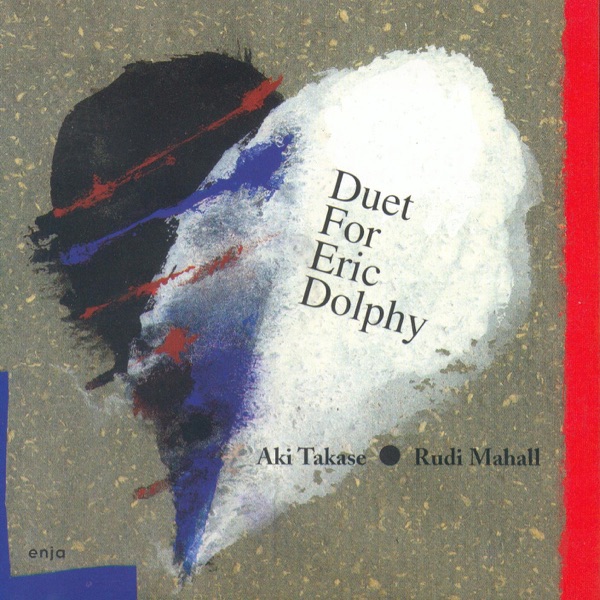
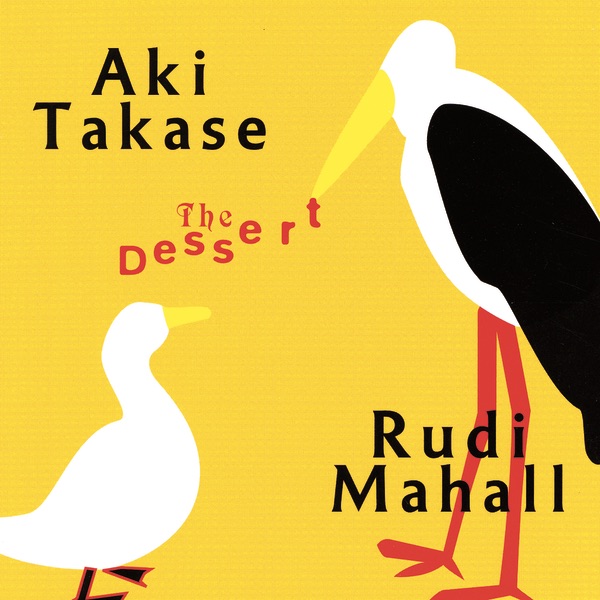
His longest-running and probably most recognizable outlet is Die Enttäuschung, the quartet he formed with trumpeter Axel Dörner, bassist Jan Roder, and drummer Uli Jennessen. The band plays Monk tunes and originals with a loose, conversational freedom, somewhere between composed postbop and open improvisation, and it is as good a place as any to hear what Mahall sounds like when he has room to stretch without losing the tune underneath him. He has also kept a long creative partnership with pianist Aki Takase, a duo relationship built on real musical trust rather than novelty pairing.
If you put on a Rudi Mahall record expecting pretty clarinet tone, you will be surprised. He honks, he squeals, he digs into the lower register until it buzzes like a baritone sax having an argument with itself. But he is also precise — he knows exactly where the line is and how far past it he wants to go. That control inside the chaos is what separates him from players who use extended technique as a gimmick. Mahall uses it because it is simply how he talks through the horn.
He is not a household name outside serious improvised music circles, and he probably never will be, but within that world he carries real weight. Ask any European free jazz musician who the best bass clarinetist working today is, and his name comes up fast. That is not nothing.