A Century Inside the Arkestra
Marshall Allen's alto sax does not sound like anybody else's. He could play it straight when he wanted to, with a bebop bite that showed he'd actually studied the instrument properly in Paris after the war. But most of the time he chose not to. He favored screams, multiphonics, wide vibrato that curdles into something closer to a human voice crying out. If you put on The Magic City (1965) expecting pretty melodies, you are going to have a rough night. That's the point.
He found Sun Ra in Chicago in the mid-1950s and stuck around for the rest of his life, which is the real headline here. Most musicians who joined Sun Ra's Arkestra eventually drifted off to steadier gigs. Allen didn't. He played on Jazz in Silhouette (1959) and Space Is the Place (1973), stuck through the lean years, the Saturn Records pressing plant chaos, the costumes, the Egyptian mythology, all of it, and came out the other side as the band's most reliable voice. By the time of Lanquidity (1978) he wasn't just a sideman anymore — he was the sound of the band's horn section, period.
When Sun Ra died in 1993, and then saxophonist John Gilmore took over and died a couple years later, Allen inherited the Arkestra almost by default. Nobody else was left who remembered how it was supposed to work. He kept it going from a row house in Philadelphia that Sun Ra had left behind, rehearsing musicians decades younger than him in the same living room where the old charts were still stacked in boxes. That's not nostalgia. That's just how the band survived.
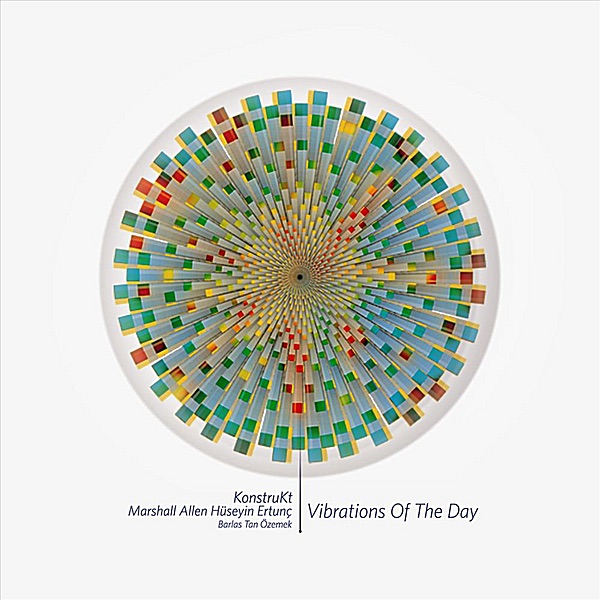
What's strange and kind of wonderful is that Allen didn't fossilize into a museum piece running a tribute act. He kept writing, kept rearranging, kept pushing the band into electronics with his EVI, the electronic valve instrument that let him bend notes like a theremin. The Arkestra under his direction released Swirling (2020) and got a Grammy nomination for it — he was ninety-six. Then in 2024, at one hundred years old, he put out New Dawn (2024), a solo record with younger collaborators that sounded less like a victory lap and more like a guy still curious about what his horn could do.
I wouldn't call Allen a genius innovator who reshaped jazz single-handedly — that was Sun Ra's job, and Allen would probably tell you that himself. What Allen did was something rarer in its own way: he kept a vision alive for seventy years without ever letting it calcify, and he did it by actually playing, not by talking about legacy. If you want to understand how an avant-garde big band can function as a family business, a religion, and an actual working jazz group all at once, start with Marshall Allen's horn and work backward from there.