The Saxophonist Who Never Stops Running
If you've never heard Marius Neset, picture a saxophonist who plays like he's late for a train and the train is made of notes. He's a Norwegian tenor and soprano player with technique that borders on absurd, but the speed is never the point by itself. He uses it to pull off ideas that would otherwise be too dense to execute live, stacking folk tunes, odd meters, and orchestral arrangements into pieces that feel more like architecture than jazz heads.
Neset grew up in Os, near Bergen, and moved through the Danish and then UK jazz scenes before landing on Edition Records, the label that's released most of his output since. He spent formative years connected to Django Bates, whose love of knotty compositions and big-band thinking clearly rubbed off. You can hear it in how Neset structures his albums — not just a string of solos, but long-form pieces with recurring themes, almost like a composer working in a jazz dialect.
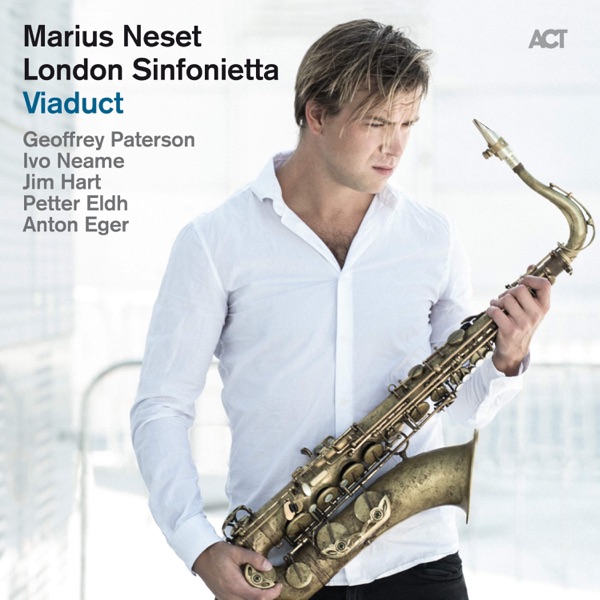
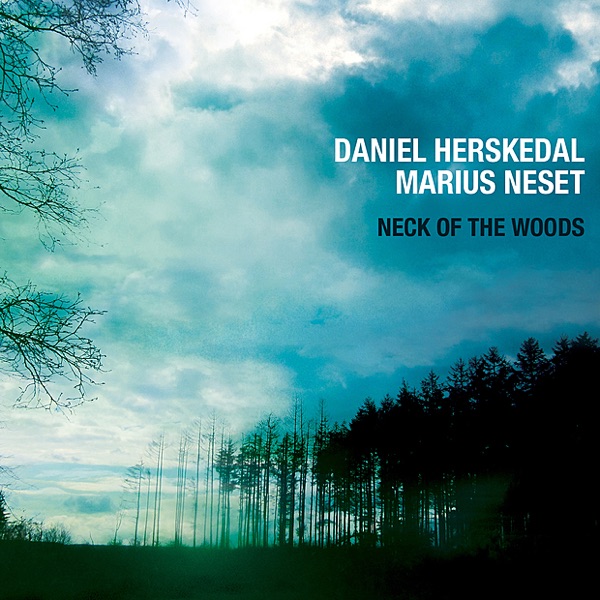
The records to start with are Golden Xplosion (2011), which announced him as a serious compositional voice rather than just a fast player, and Birds (2014), which leaned further into orchestral color with strings and horns woven around his sax lines. Viaduct (2018) pushed things even further toward full orchestra, and if you want to hear him stripped back to something more intimate, his duo work with Norwegian tuba player Daniel Herskedal shows a completely different, more spacious side of his writing.
What makes him interesting isn't just the chops — plenty of saxophonists can play fast. It's that he writes for large ensembles the way a classical composer might, with real attention to orchestration, while still leaving room for the kind of improvisation that keeps it jazz and not just a technical showcase. His bands are full of serious players — drummer Anton Eger among them — who can keep pace with material that shifts meter and mood without warning.
If you're coming from more traditional jazz and find Neset overwhelming at first, that's normal. His music rewards patience with repeated listens, because the density hides a lot of melodic writing that only becomes clear once you stop trying to count the notes and just let the pieces unfold.