The Pulse That Holds Everything
If you haven't heard Hamid Drake yet, the first thing to know is that he doesn't play like a jazz drummer who dabbles in world music — he plays like someone for whom all of it is the same river. The reggae feel, the West African hand-drum patterns, the free jazz sprawl — none of it sounds like a graft or an experiment. It sounds like one person who genuinely absorbed all of it over decades of serious listening and playing, and now just does what comes naturally. That integration is rarer than people admit.
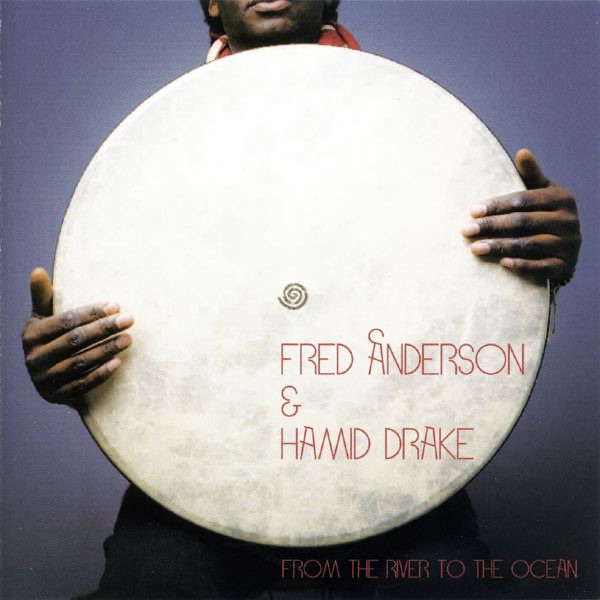
Drake grew up in Chicago and became a central figure in that city's rich improvised music scene, which in his case meant years of close collaboration with Fred Anderson, the great Chicago tenor saxophonist who ran the Velvet Lounge and mentored generations of musicians. That relationship shaped Drake profoundly — Anderson's playing had a directness and a spiritual quality that valued patience and space, and you can hear that influence in the way Drake never seems to be rushing toward anything. He's also been deeply associated with Peter Brötzmann, the German free jazz saxophonist, which might seem like a strange fit until you actually hear them together and realize Drake is one of the few drummers in the world who can meet that level of intensity without either drowning in it or competing against it.
His work with William Parker is essential listening if you're coming to Drake for the first time. The two of them have a rhythm section chemistry that's become a kind of gold standard in the free jazz world — Parker's bass is so melodic and grounded that it frees Drake to roam without the music ever losing its center. Check out Piercing the Veil (2015) if you want to hear what that partnership sounds like when it's cooking. It's the kind of record where you keep stopping to ask yourself how they're doing what they're doing.
Drake also plays frame drum and doumbek, and that side of his playing opens into something different — music that has a meditative, almost ritualistic quality. He has spoken publicly about Sufi practices and their influence on his approach to rhythm, and you can hear that in his solo percussion work, which never sounds like showing off. It sounds like someone using rhythm to reach a particular state of attention. Whether or not you share any of those spiritual reference points, the music still works on its own terms.
What makes Drake worth your time, honestly, is that he's managed to stay completely himself across an enormous range of contexts. He can play a free blowout with Brötzmann and a delicate duo record in the same year, and both feel like the same drummer. That kind of consistency of identity is hard to maintain when you're as versatile as he is. A lot of musicians who move between traditions end up sounding like they're wearing different hats — Drake sounds like he's always wearing the same one.