The Man Who Built Bridges
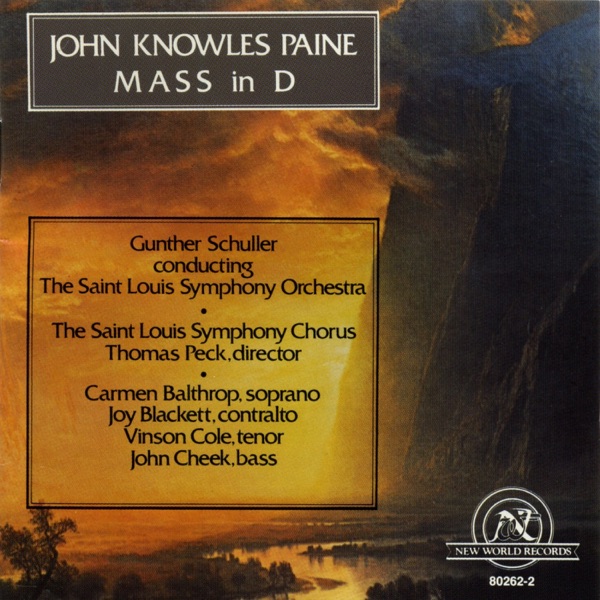
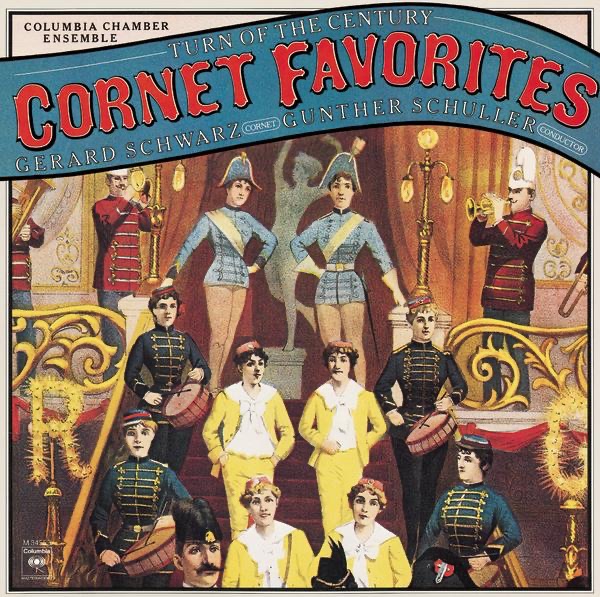
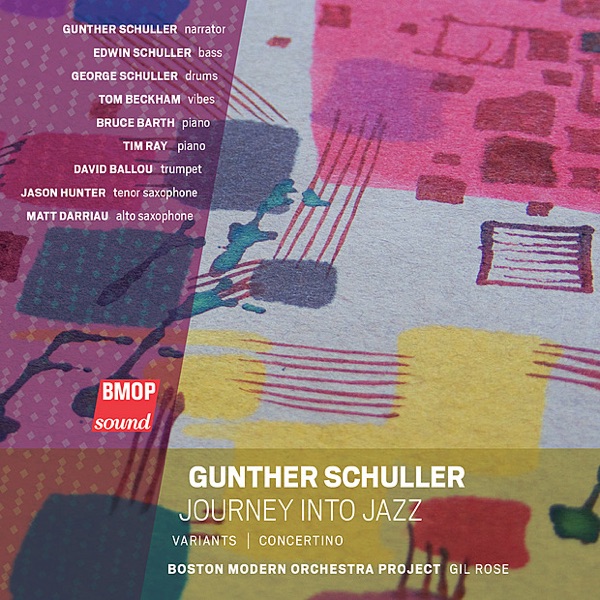
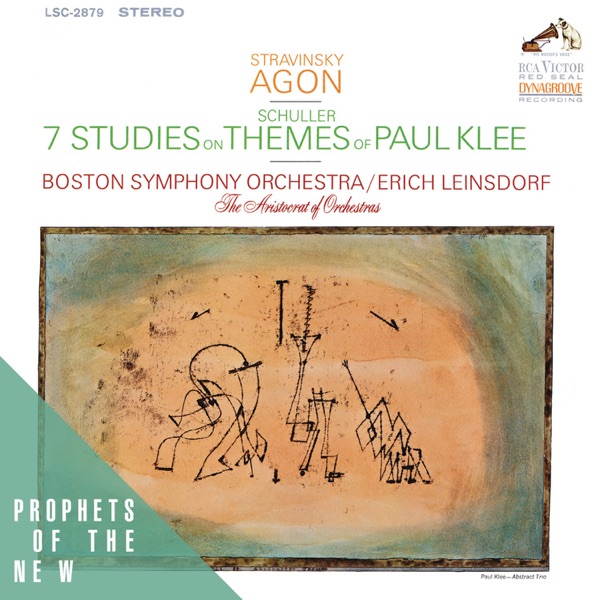
Start with this: Gunther Schuller was a classically trained French horn player who ended up changing how we talk about jazz, mostly because he refused to accept that jazz and classical music needed separate vocabularies. He coined the term "Third Stream" in the late 1950s to describe music that genuinely merged the two traditions, not just jazz musicians playing with strings for a pretty effect, but real compositional cross-pollination. Some of it worked beautifully. Some of it was a little stiff, honestly, like a well-meaning experiment that never quite caught fire live. But the idea stuck around because Schuller kept pushing it, and because he had the credibility to back it up on both sides.
He got that credibility the hard way. By his twenties he was already principal horn in major orchestras, and in 1949 and 1950 he found himself in the room for the Miles Davis (1926) sessions that became Birth of the Cool (1957). That gig alone would have made him a footnote worth remembering, but Schuller kept showing up in jazz's most interesting rooms for the next fifty years. He collaborated with John Lewis, worked alongside Ornette Coleman when nobody else in the classical world would touch free jazz with a stick, and conducted and arranged across styles most people considered incompatible.
What he's really remembered for, though, might be the books. "Early Jazz" and "The Swing Era" are not casual reads, they're dense, exacting, sometimes stubborn pieces of musicology, but they're also some of the most serious scholarship jazz has ever gotten from an insider who actually understood the theory under the swing. Before Schuller, a lot of jazz writing was fan appreciation dressed up as history. He treated Duke Ellington's voicings and Louis Armstrong's phrasing with the same analytical rigor a musicologist would give Beethoven, and that mattered, because it forced people to admit jazz deserved that kind of attention.
He wasn't just a theorist standing on the sidelines either. As president of the New England Conservatory in the 1960s and '70s he built actual institutional space for jazz study inside a classical conservatory, which was not a normal thing to do at the time. He also helped spark the ragtime revival of the 1970s, dusting off Scott Joplin's scores and getting orchestras to take them seriously again. None of this made him famous the way a saxophone star gets famous. But if you've ever read a jazz liner note that treats the music like art instead of entertainment, some of that tone traces back to Schuller insisting it should.
So don't go into Schuller's own recordings expecting hummable tunes or a late-night groove. Some of the Third Stream pieces sound exactly like what they are: smart people trying something risky, not always landing it. But put on "Early Jazz" next to a stack of Ellington records, or just read a chapter of "The Swing Era" before your next listening session, and you'll hear things in the music you'd missed before. That's the real reason to know his name.