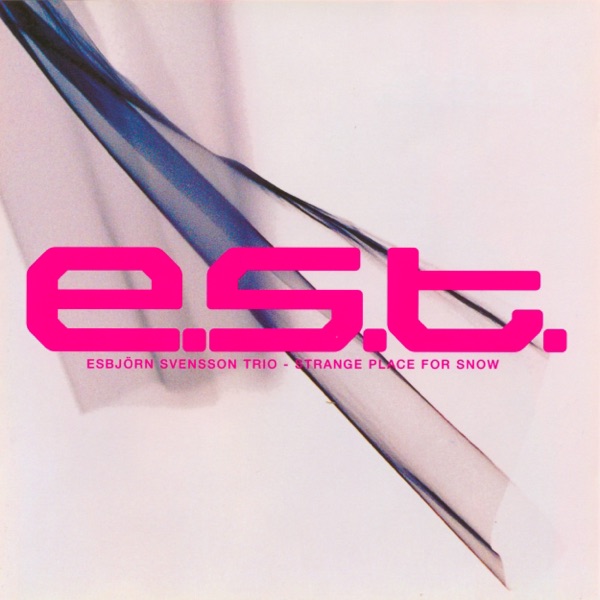
When Piano Met Electric Dreams
Esbjörn Svensson didn't reinvent the piano trio so much as he just made it sound like the 1990s. Which is to say: he added synths, electronic textures, and rhythm patterns that felt closer to rock and electronic music than anything you'd hear in a traditional jazz club. His trio EST — him on keys, Dan Berglund on bass, Magnus Öström on drums — took the fundamental format that Bill Evans and Keith Jarrett had perfected and gave it this restless, atmospheric quality. You could hear the improvisation happening, but it came wrapped in digital noise and ambient soundscapes. For people who found standard jazz a little too precious or slow-moving, this was the entry point.
What made EST actually work wasn't just the electronic window dressing. Svensson had real chops as a pianist — he could do the melodic, intricate stuff when the music called for it. But he seemed genuinely bored by the idea of "jazz the way it's supposed to sound." He listened to everything: rock, ambient, classical, and he just borrowed what he needed. Figured It Out (1997), From Gagarin's Point of View (1998), and Good Morning Susie Soho (2002) aren't albums that sit around waiting for you to understand them. They're active, moving things that pull you along.
What probably bothers some jazz purists about EST is exactly what made the group matter: the music wasn't about proving anything to other jazz musicians. It was just trying to say something true in a way that made sense to Svensson at that moment. And because he wasn't trying to be difficult or academic about it, regular people — people who didn't grow up speaking jazz language — actually listened. The trio built a real following in Europe and beyond, which is rare for instrumental jazz.
Svensson died in 2008 in a diving accident at 44, which is the kind of sudden, stupid loss that makes you angry on behalf of his unwritten music. What's strange is that his records don't sound dated the way a lot of nineties music does. Probably because he wasn't chasing trends; he was just making music that felt true to him at the time. If you put on EST today, you don't hear something quaint or historical. You just hear good ideas played well.