The Man Who Wouldn't Specialize
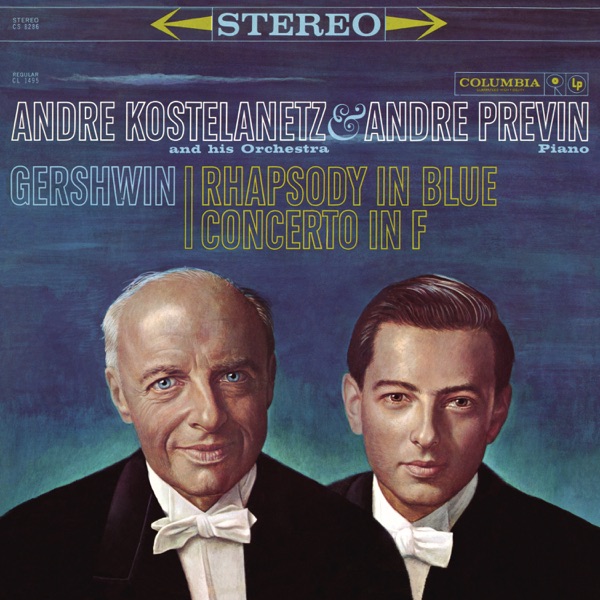
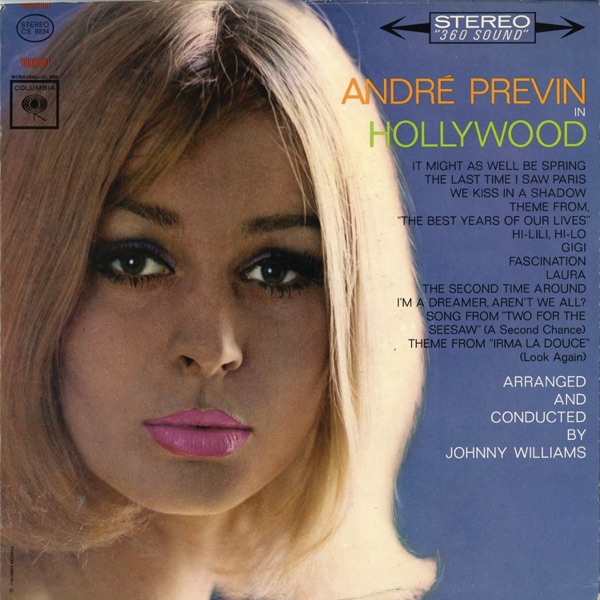
If you only know André Previn from the classical world — the guy on the podium with the London Symphony Orchestra — his jazz records come as a surprise. He started out as a teenage piano prodigy working the MGM studio system, arranging and scoring films before he could legally drink. But at night he was playing jazz piano, and he was genuinely good at it, not in a dabbling-celebrity way but in a way that held up next to the real players of the era.
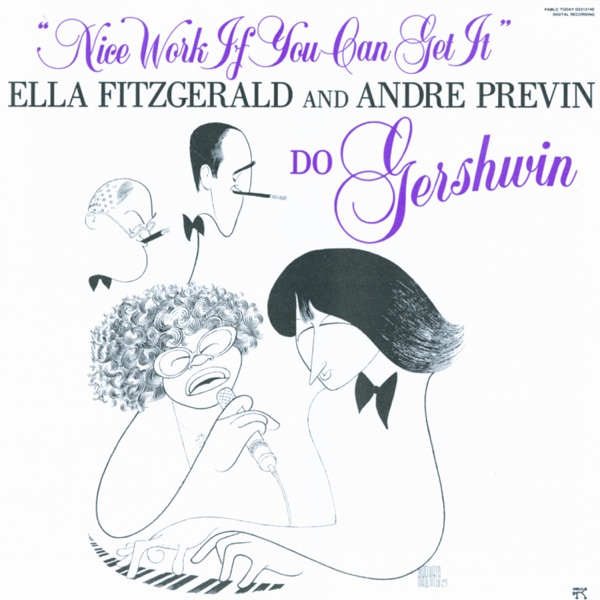
His jazz sound is clean, swinging, and unpretentious — closer to Oscar Peterson than to anything avant-garde. He loved trio format, loved standards, and had a knack for taking Broadway and movie material and turning it into something that actually grooved. The record most people point to is My Fair Lady (1956), cut with Shelly Manne and Red Mitchell, which took a hit musical and proved it could swing just as hard as any jazz standard. It sold well, which surprised everybody, and it led to a string of similar theme albums.
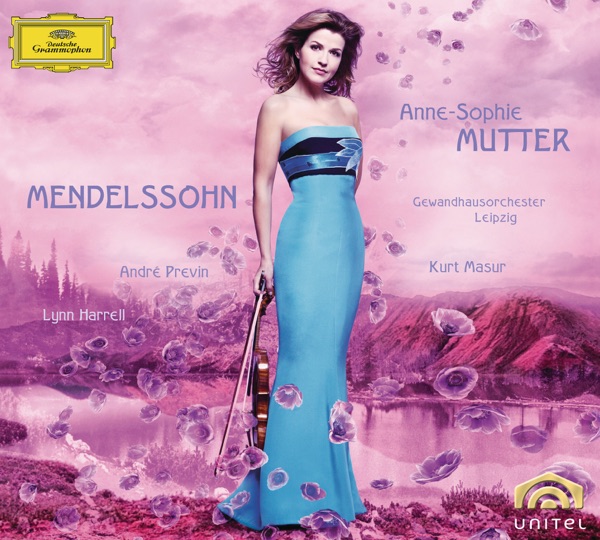
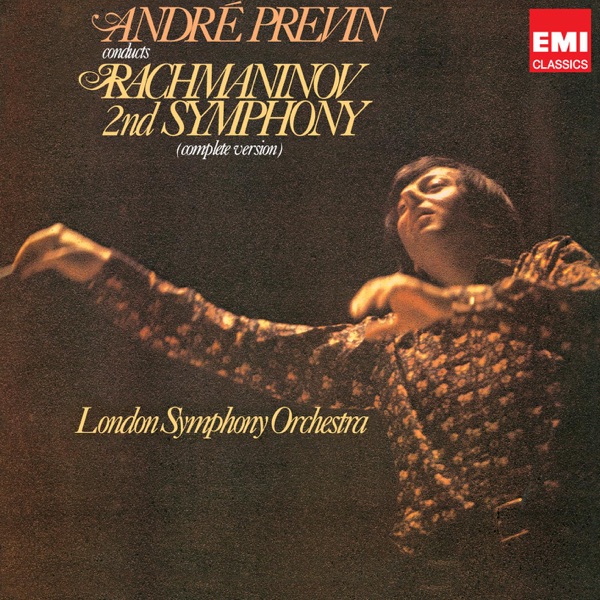
What's easy to miss is how technically serious Previn's playing was underneath the easy charm. He wasn't coasting on good taste and charisma — he had real chops, real harmonic knowledge, and that showed later when he moved almost entirely into classical conducting and composition. Not many pianists can go from a jazz trio gig to conducting Shostakovich with a major orchestra. Previn did exactly that, and he did it without anyone accusing him of slumming in either direction.
He's a tricky figure to place in jazz history because he never fully lived inside it. He was an insider-outsider — respected by the players he worked with, but ultimately more interested in composition and orchestral music as his life went on. That makes his jazz output feel almost like a chapter rather than a career, but it's a genuinely good chapter, full of record dates worth tracking down if you like piano trios that swing without showing off.