1992 · Album
Turning Point
Released: 1992 · Chart Performance: Peaked in top five on Billboard's Contemporary Jazz Albums chart · Career Context: Released coinciding with the beginning of Eubanks's tenure on The Tonight Show with Jay Leno
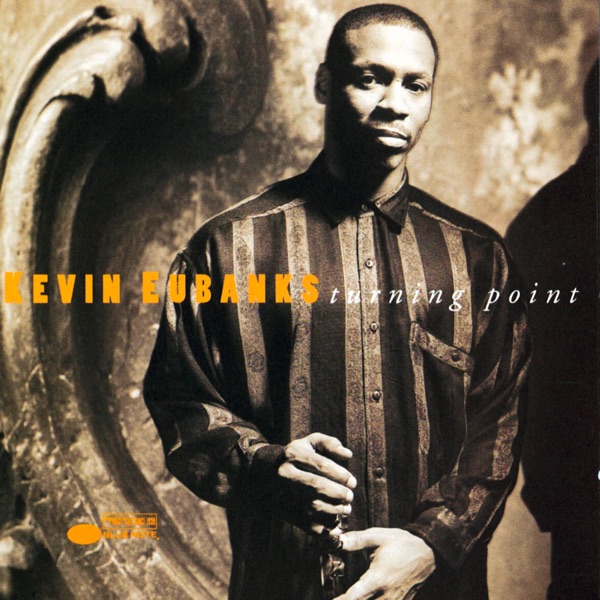
A Turning Point Arrives, Quietly
The album peaked in the top five on Billboard's Contemporary Jazz chart, arriving exactly when Eubanks needed visibility.
Kevin Eubanks released Turning Point (1992) at a crossroads. The album arrived in 1992 just as he began his tenure on The Tonight Show with Jay Leno, a platform that would eventually define his public profile for decades. But timing alone doesn't guarantee an audience, and this record's reception tells a story worth understanding.
The critical response was split in a way that suggests the album landed with some people immediately and left others unmoved. All Music Guide to Jazz gave it a perfect 5 out of 5, which is the kind of endorsement that stops you mid-scroll. The Indianapolis Star matched that enthusiasm with a 4 out of 4. Meanwhile, most other major publications — the Detroit Free Press, The Penguin Guide to Jazz Recordings, The Philadelphia Inquirer, The News & Observer — settled on three stars or three and a half, which is respectable but noncommittal. The album did chart respectably, peaking in the top five on Billboard's Contemporary Jazz Albums chart. That's a genuine commercial achievement in a niche category, not just noise.
What probably happened is this: some listeners connected immediately with whatever Eubanks was doing here, enough to rate it among his best work. The larger critical establishment found it competent and worth hearing, but not urgent. For a musician about to become a household name through late-night television, Turning Point (1992) was solid footing — not a masterpiece that changed jazz, but a strong record that helped establish him as someone worth paying attention to during his ascent.


