1976 · Album
Three
Recorded 1975 · Columbia Records · Produced by Bob James, Phil Ramone

Elegant Grooves and Electric Textures
Three captures Bob James at a pivot point, blending jazz sophistication with the electronic sounds that would define his later work.
Three arrived when Bob James was developing his signature sound—that smooth, almost frictionless blend of jazz chops and contemporary production that would eventually make him a household name. This isn't the raw, unbuffered jazz of his earlier work. Instead, you're hearing him lean into what electronic keyboards and careful arrangement can do for a song. The piano is still there, but it's working alongside synthesizers and electric textures that feel deliberate rather than experimental. The album has a relaxed, almost lounge-like quality to it, but there's genuine musicianship underneath.
What makes Three distinct from his other recordings is how comfortable James sounds occupying the space between straight-ahead jazz and something more designed for listeners who might also enjoy a good Steely Dan record. The grooves are tight and often funk-influenced, but they never feel forced or derivative. James has a gift for making sophisticated chord changes feel effortless, and that's on full display here. The album flows smoothly from track to track—there's nothing jarring or confrontational about it. Some might call that slick; others would say it's smart.
If you're coming to Bob James for the first time, this is probably not where you should start. His earlier, more straight-ahead jazz records capture a different energy entirely. But Three is essential for understanding how he became such a successful and influential figure in the seventies and beyond. It's the sound of a musician confidently moving toward a new vision, and it holds up because the fundamentals are solid. Not every track is a keeper, but the best moments here—the ones where everything clicks into place—show why James became impossible to ignore.
Who's playing
Dave Bargeronbass trombone
Gary Kingbass
Dave Taylorbass trombone
Will Leebass
Jeff Mironovguitar
Eric Galeguitar
Hugh McCrackenguitar
Eddie Danielstenor saxophone
Grover Washington, Jr.saxophone
Jon Faddistrumpet
John Frosktrumpet
Lew Solofftrumpet
Marvin Stammtrumpet
Wayne Andretrombone
Jerry Dodgionflute
Hubert Lawsflute
Andy Newmarkdrums
Harvey Masondrums
Ralph MacDonaldpercussion
Gloria Agostiniharp
Alfred Brownviola
Frederick Buldriniviolin
Harry Cykmanviolin
Lewis Eleyviolin
Max Ellenviolin
Emanuel Greenviolin
Bob Jameskeyboard
Harold Kohonviolin
Charles McCrackencello
David Nadienviolin
Matthew Raimondiviolin
Alan Shulmancello
Emanuel Vardiviola
Where next?


The musicians on this record
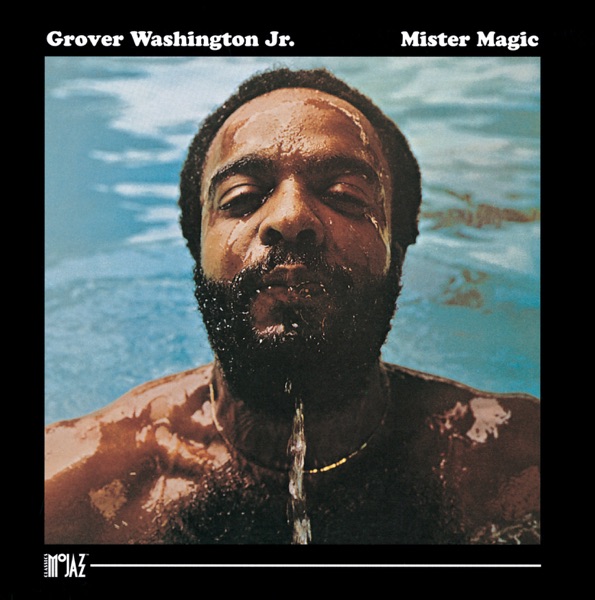
Mister Magic 1975
Grover Washington Jr.
plays saxophone here
plays saxophone here
♫
Youngblood 1976
Jon Faddis
plays trumpet here
plays trumpet here


