1953 · Album
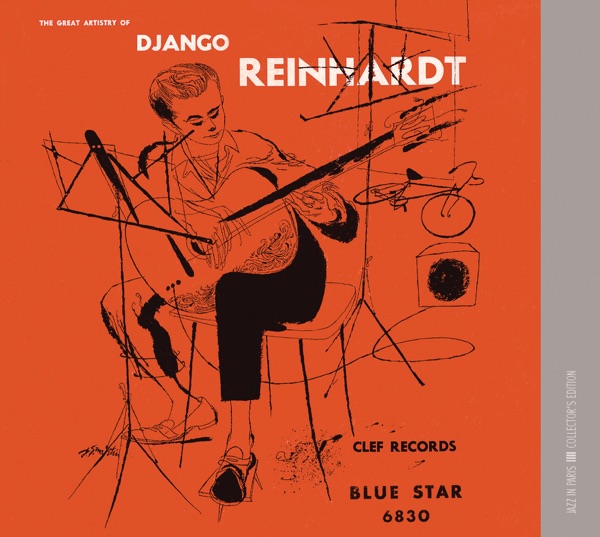
The Great Artistry of Django Reinhardt
Recorded Various sessions, 1940s–early 1950s · Capitol Records · Produced by Unverified — omitted
Six Strings, Two Fingers, Pure Fire
Django plays like the rules of the guitar were suggestions he politely ignored.
Django Reinhardt was working with a left hand missing two functional fingers — the result of a caravan fire — and still managed to outplay virtually everyone who came near a jazz guitar in Europe. That fact never gets old, and listening to The Great Artistry of Django Reinhardt (1959) it stays relevant because you keep hearing things that shouldn't be physically possible. The runs, the chord voicings, the sheer speed — it's worth knowing the backstory not because it makes the music sad or heroic, but because it makes the music genuinely baffling in the best way.
This is a compilation drawing from recordings Django made in the 1940s and early 1950s, which means you're getting him across different configurations — small swing combos, his famous collaborations with violinist Stéphane Grappelli, and some later electric guitar material where he was clearly absorbing bebop influences without abandoning what made him himself. The earlier Hot Club-style tracks have that rolling, percussive rhythm guitar underneath single-note lines that dart around like they're trying to escape the beat. The later electric recordings are looser and a little rougher, and honestly some listeners prefer them.
What makes this a good entry point is the range. You hear Django as a melodic improviser, as a composer with a real sense of drama, and occasionally as someone who would rather surprise you than impress you. He was one of the first European musicians to genuinely shape jazz rather than just follow American trends, and that comes through here without needing to be announced. If you already know him, this set is a solid reminder of how consistent he was. If you don't, start here and then go find the original Hot Club recordings.
Who's playing