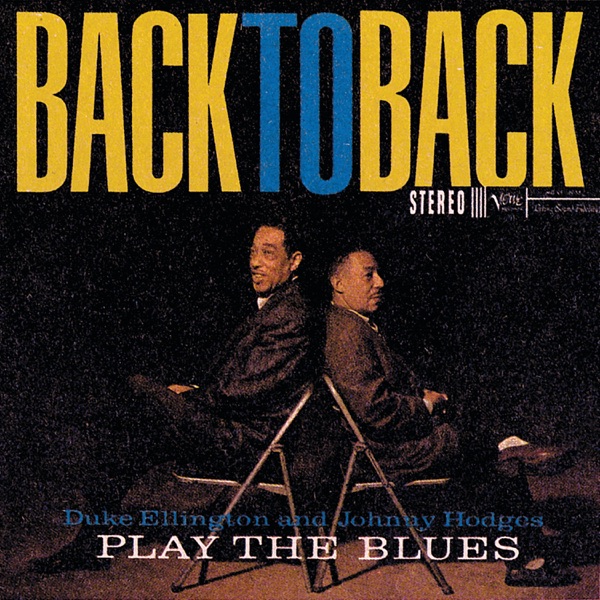
1961 · Album
The Big Sound
Recorded 1957 · Verve · Personnel: Johnny Hodges (saxophone), members of the Duke Ellington Orchestra

When the Band Breathes with the Soloist
Hodges and the Ellington Orchestra were one integrated unit, not a star with a backing band.
From the first notes, you hear the difference. This isn't Hodges blowing over a studio band assembled to prop him up — it's a conversation between equals. The Ellington Orchestra members know his voice inside out, and they move with him rather than around him. The saxophonist's tone sits rich and warm in the mix, his phrasing unhurried, while the band provides real substance: solid voicings, thoughtful answers to his ideas, occasional solos that matter. The tempo ranges from mid-tempo grooves to slower ballad work, nothing rushed. The instrumentation is full but never crowded, which matters. You can hear the space between voices.
What makes this session work is integration. The AllMusic reviewer Bob Rusch understood it immediately: this was orchestral backing with character, not anonymous session musicians filling time. Hodges was surrounded by players who'd spent years in the same bandstand, who understood ensemble duty and solo responsibility. That familiarity breathes through every track. The band brings shape and continuity to the features without ever stepping on them.
This sits alongside Hodges' other work as a solid middle point — not an essential starting place, but a confident recording that shows what he could do when paired with an orchestra that truly supported his sound. It's the sound of a saxophonist completely at ease, which is rarer than it should be.