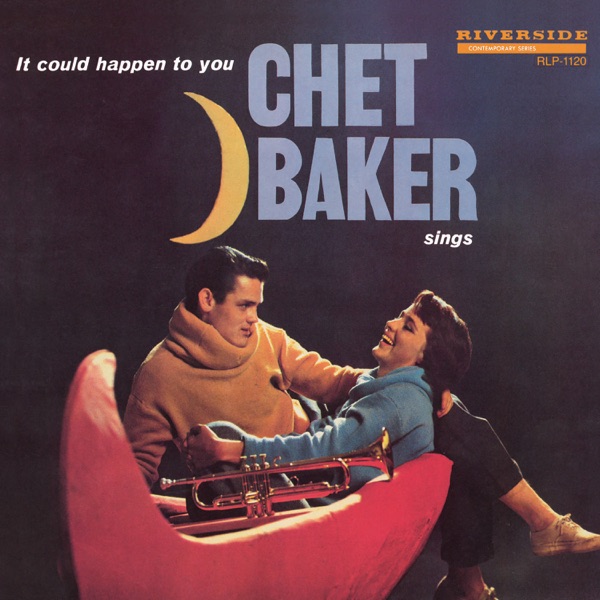
1988 · Album
The Art Of The Ballad
Recorded 1959 · Riverside Records · Produced by Orrin Keepnews

When Chet Baker Whispers a Love Song
Baker's trumpet and voice blend into something almost conversational, like he's singing just for you.
Chet Baker was never a loud player. Even when he was swinging hard, there was always restraint, a sense that he was holding something back. On The Art Of The Ballad, that restraint becomes the whole point. This is Baker doing what he does best: taking simple melodies and making them feel like they matter, like each phrase is being discovered for the first time.
What makes this record different from his other ballad work is how intimate it feels. Baker's trumpet sounds almost like a voice here—warm, slightly fragile, sometimes cracking just enough to feel human. When he sings, his approach is so understated it's almost dangerous; a lesser artist would disappear, but Baker somehow fills the space with presence instead of volume. The arrangements give him room to breathe, which is exactly what he needs. There's no competition happening, no one trying to outplay anyone else. It's just careful listening and responding.
This isn't Baker at his most technically impressive, and that's fine. By this point in his career, he'd already proven he could play. What matters here is something different—the ability to make a standard feel like it's being sung for the first time, to find something genuine in material that's been played thousands of times before. If you know Baker mainly from his more swinging records, this will feel like a different person. It's not the album to start with; you need to understand his range first. But once you do, The Art Of The Ballad shows you what he was really after: not virtuosity, but truth.