1958 · Album
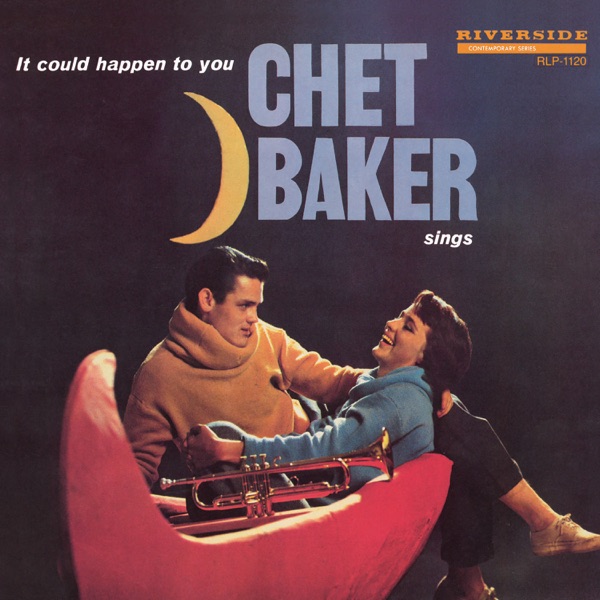
It Could Happen to You
Recorded 1958 · Columbia Records · Produced by Irving Townsend
Whispered Standards with a Broken Heart
Baker makes these familiar songs sound like they're being sung directly to you, fragile and uncertain.
It Could Happen to You finds Chet Baker in a vulnerable place, and that vulnerability is exactly what makes the album worth hearing. Recorded early in his career, this is straightforward stuff—just Baker's trumpet and voice floating over gentle accompaniment from Bill Evans on piano and Teddy Kotick on bass, with Philly Joe Jones handling drums. There's no flash here, no showing off. What you get instead is intimacy, the sound of a musician completely unguarded.
The appeal of this record is simple: Baker had one of the most beautiful voices in jazz, and pairing it with his trumpet playing creates this strange, almost vulnerable effect. He doesn't swing aggressively—he leans into standards like the title track and "Autumn Leaves" with a kind of resigned sweetness. Evans is perfect here, understated and supportive, never dominating the space. What strikes you most is how little is actually happening musically, and how much that matters. This isn't the album to put on if you want to be impressed by technical virtuosity. It's the one you play when you want to hear a good musician being honest about limitation and loss.
By this point in his career, Baker was already gaining notice, but he hadn't yet developed the full confidence of his later work. That hesitation is actually the album's strength. If you're new to Baker, this is a good entry point—more accessible than his harder bebop work, more genuinely felt than some of his later, slicker recordings. It won't blow your mind, but it'll stay with you.
Who's playing
George Morrowbass
Sam Jonesbass
Kenny Drewpiano
Chet Bakertrumpet
Philly Joe Jonesdrums
Dannie Richmonddrums
Where next?
More by Chet Baker

Chet Baker Sings 1954

The Trumpet Artistry of Chet Baker 1955

Embraceable You 1957
The Touch of Your Lips 1980
The musicians on this record

Kenny Drew Trio 1957
Philly Joe Jones
plays drums (drum set) here
plays drums (drum set) here

Jam Session 1954
George Morrow
plays bass here
plays bass here