Melodic Invention Over Speed and Flash
Martino remains an engaging technical dazzler, but his melodic personality is never in question.
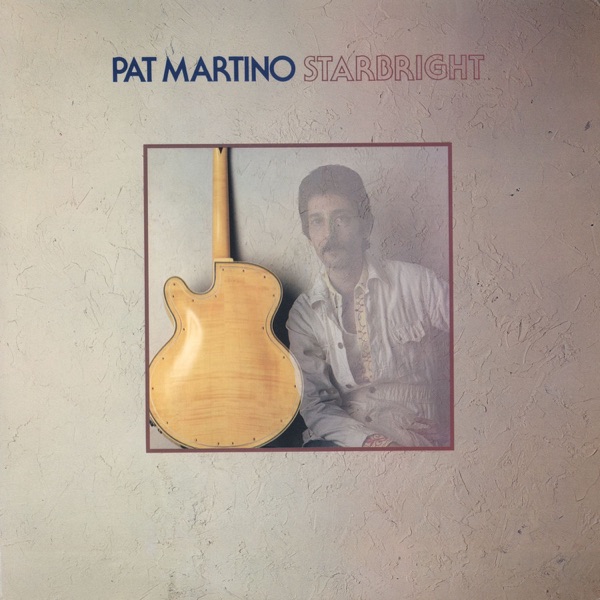
Starbright arrived in 1976 without fanfare, a solid mid-career statement from a guitarist who had already proven himself capable but hadn't yet found the wider audience his playing deserved. Critics who paid attention noted something worth remarking on: Martino was exploring beyond his established style, adding keyboard textures and guitar synthesizers to his arsenal while keeping the melodic core intact. Douglas Payne, writing for All About Jazz, recognized this balance immediately — Martino wasn't chasing the speed-and-noise gimmickry that had consumed many of his contemporaries. He was simply playing better.
The album pairs originals with covers, a practical choice that gives the record room to breathe. Will Lee on bass and Gil Goldstein on keyboards provide responsive, inventive accompaniment, while Al Regni's flute adds textural variety without overwhelming Martino's voice. The production is clean and direct, letting each musician's choices register clearly. There's no excess here, no padding — these are efficient, purposeful arrangements that trust the players to carry the weight.
Starbright never became a breakthrough record, and it doesn't carry the historical weight of Martino's best-known work. But it captures him in a moment of genuine curiosity, willing to absorb new sounds and production techniques without losing sight of what made him worth listening to in the first place. For anyone interested in how a working jazz guitarist navigated the mid-seventies — the synthesizers, the session-studio polish, the tug between tradition and experiment — this one repays close attention.
Who's playing
Will Leeelectric bass guitar
Al Regniflute
Gil Goldsteinkeyboard


