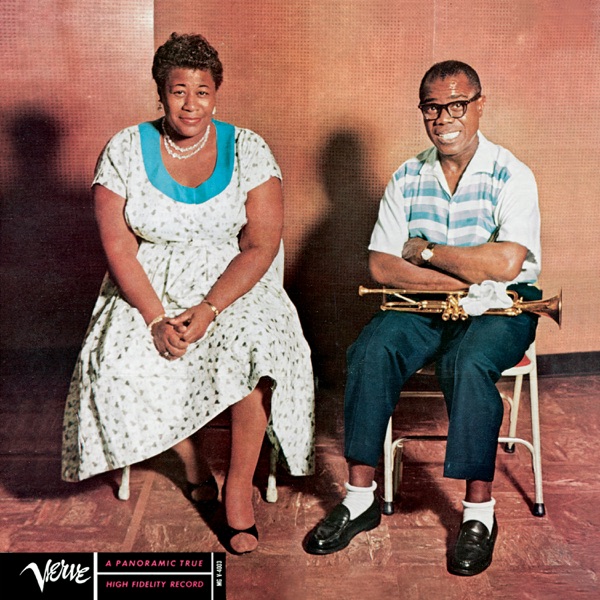
1951 · Album
Stan Kenton Presents
Recorded Original recording year unknown from provided sources · Label unknown from provided sources · Produced by Producer unknown from provided sources

Forward Motion: Kenton's Orchestral Vision Unfolds
Kenton's orchestra swells with brass and reeds, pushing jazz toward spaces it hadn't occupied before.
Stan Kenton Presents catches the bandleader at a moment of restless energy, assembling his orchestra to showcase the kind of writing and arranging that defined his approach to big band jazz. The sound here is deliberately expansive—walls of brass that don't settle into swing grooves so much as architecturally build and reshape themselves. Reeds cut through with precision. The rhythm section propels without swinging in the traditional sense; instead, it anchors Kenton's more experimental harmonic movements. This is orchestral jazz that privileges composition and arrangement over improvisation, which means soloists work within tightly constructed frameworks rather than over open blues changes. It can feel stiff to ears trained on bebop or hard bop, and that's partly the point.
For listeners unfamiliar with Kenton's work, this is neither the easiest entry point nor a poor one. His earlier hits like "Artistry in Rhythm" established a more accessible commercial sound. By this period in his career, Kenton had committed fully to the forward-looking direction mentioned in the liner notes—the orchestrations here reflect someone interested in what jazz could become rather than what it had been. That willingness to displease people who wanted their jazz to swing hard remained consistent throughout his work.
The album matters partly because it documents Kenton during a generative phase: he would establish his jazz camp just this year, signaling that his ambitions extended beyond recording and touring into education itself. That pedagogical turn affected how American jazz was taught and thought about for decades. This record is one piece of that larger project—evidence of a musician thinking through orchestration, harmony, and structural possibility with the seriousness of a composer, not merely a bandleader playing hits.
Where next?
More by Stan Kenton
All 37 albums →