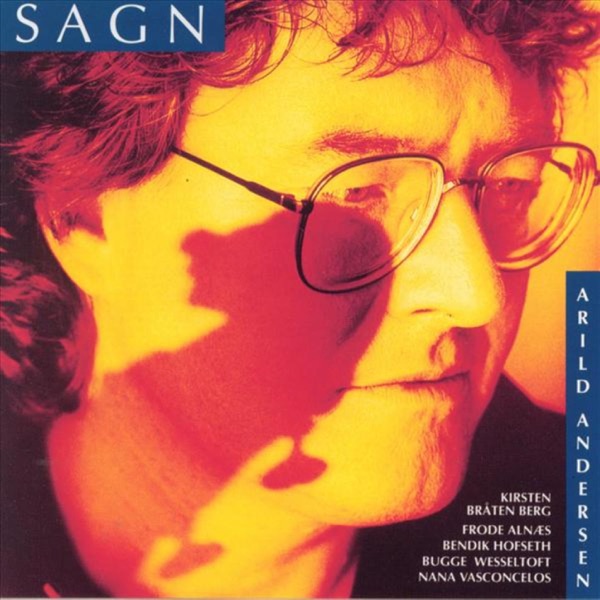
Norwegian Voices in Sparse, Spiritual Space
Andersen builds something genuinely strange and moving from almost nothing — just bass, keyboards, and breath.
Sagn opens with bass alone in deep silence, Arild Andersen bowing slow, almost inaudible lines that feel less like notes than air moving through wood. When Bugge Wesseltoft's keyboards enter, they don't announce themselves — they settle in like mist, sparse and questioning. Kirsten Bråten Berg's mouth harp, a folk instrument, brings something primal and human that keeps the music tethered to earth even as the arrangement drifts toward abstraction. The whole thing moves at a pace that asks patience; there are long pauses where nothing happens except resonance and breathing space. This is chamber music built for small rooms and close listening, not club energy or showmanship.
Andersen had moved toward this kind of minimalism gradually through his career, but Sagn feels like a real commitment to it — stripped down to just three voices, each one clearly heard. The bass work here is conversational rather than propulsive; Wesseltoft responds rather than leads, and Berg's voice (she literally sings into her instrument) becomes another tonal color rather than a soloist. There's something almost liturgical about how the pieces unfold, patient and ritualistic. If you've heard Andersen's busier projects, this might feel austere at first — it's definitely not the place for swing or virtuosic display. But that restraint is the point. The space between sounds matters as much as the sounds themselves.
Who's playing
Where next?


The musicians on this record
Their own records, close in time


