Open Ears in the Present Moment
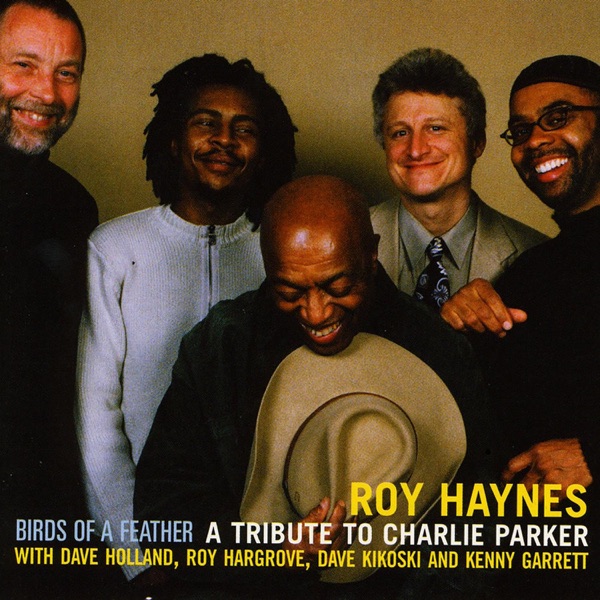
Haynes playing with a band that listens as hard as he does, pushing without forcing.
Praise opens with drums alone—Haynes playing brushes and sticks in casual conversation with himself, setting a temperature that feels almost intimate. When the band enters, there's no crash, no announcement. Kenny Garrett's soprano sax threads in, Graham Haynes adds textured brass, and David Kikoski comps piano with space between the notes. Dwayne Burno anchors everything from underneath. The sound is warm but unsentimental, the kind of jazz where players leave room for each other to breathe and think. Tempos shift within tracks—nothing rigid, nothing showy about it. It's just musicians responding to what's happening in the moment.
This is Haynes leading a band that matches his restless intelligence. By this point in his career, Haynes had spent decades as one of the most in-demand drummers in jazz, but leading was where he could set the tone completely. Praise lets him do that. The writing leaves plenty of room for interaction; these are starting points, not blueprints. Garrett sounds exploratory without being scattered. Graham Haynes, on cornet and flugelhorn, adds a muted, searching quality that keeps things from ever settling into comfort. Kikoski's touch is economical—he's not filling space, he's asking questions.
The album works best when you sit with individual tracks rather than shuffle past them. Nothing here is flashy or trying to impress you quickly. There's a confidence in that restraint. Haynes wasn't interested in proving anything by this stage; he wanted to play with musicians he trusted and see where serious listening could take them.
Who's playing