Harmonica and Friends in Intimate Conversation
Six soloists passing melodies around a table, each taking their moment without rushing.
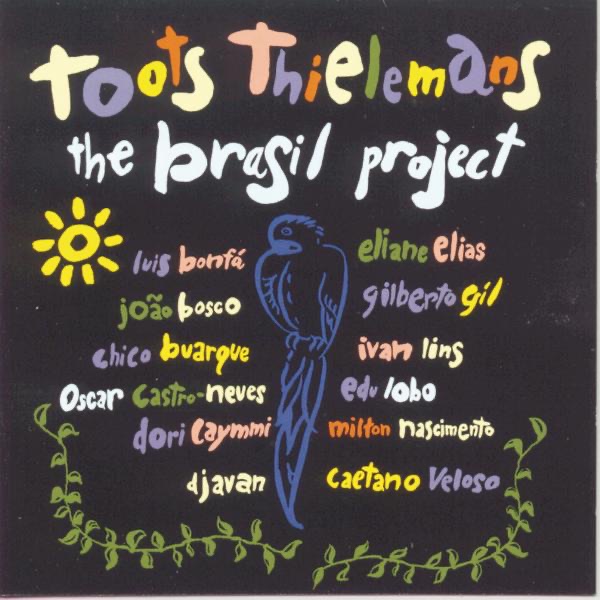
Moods opens with a floating calm—Louis van Dijk's piano notes drift like dust in afternoon light, and then Toots Thielemans's harmonica enters, conversational and unhurried. This is chamber jazz at its most relaxed, six musicians trading space without elbowing for dominance. Peter Nieuwerf and Wim Overgaauw weave guitar colors underneath, while Thijs van Leer's flute and Niels Walen's oboe arrive when the moment calls for them, never crowding.
The album works because nobody is trying to impress. These are short pieces, mostly ballads or mid-tempo sketches, where the point is the quality of listening between players rather than technical display. Thielemans had already established himself as the preeminent jazz harmonica player by this point in his career—the instrument was legitimate in his hands, no longer a novelty—so he could afford to play simply. The harmonica sounds warm and deliberate here, never affected. Each solo flows into the next like one conversation continuing across different voices.
This sits comfortably in Thielemans's later work, when he was past the need to prove anything and could focus on texture and atmosphere. It's not a peak album in the sense of capturing him at maximum energy, but it's exactly what it claims to be: moods. Light, meditative, the sound of musicians who know each other well enough to leave space.
Who's playing
Louis van Dijkpiano, solo
Peter Nieuwerfguitar, solo
Wim Overgaauwguitar, solo
Thijs van Leerflute, solo
Toots Thielemansharmonica, solo
Niels Walenoboe, solo