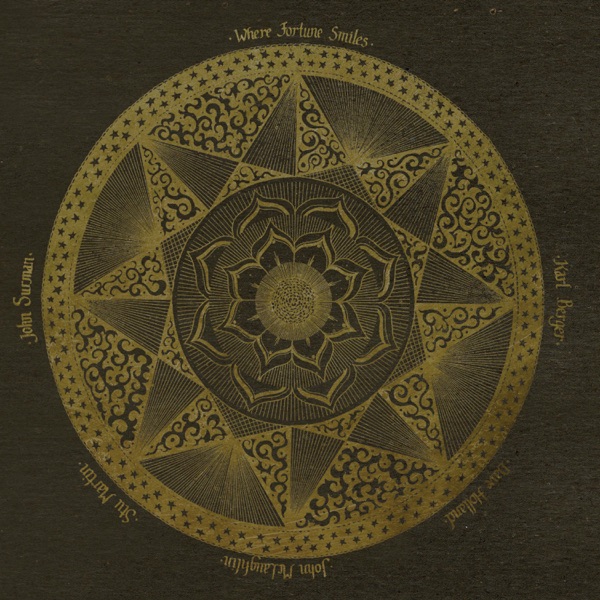
2021 · Album
Liberation Time
Abstract Logix · Produced by Not specified in provided sources · Released: 16 July 2021

A Lockdown Defiance That Found Its Footing
McLaughlin's response to isolation proved he still had something to say, even if not everyone was listening.
Liberation Time arrived in July 2021 as John McLaughlin's answer to pandemic isolation—a deliberate, even stubborn refusal to let lockdown silence him. At under 40 minutes, it is a compact statement, and that brevity matters. McLaughlin wasn't trying to fill space or prove endurance. He was making a point quickly and moving on.
The album split opinion in ways that tell you something useful. Publications like AllMusic, Classic Rock, Jazz Journal, Jazzwise, and Mojo all rated it 4/5, which suggests the core jazz and rock press heard something solid worth defending. Michael Ullman of The Arts Fuse caught the album's actual mood: it was defiant, occasionally joyous, a deliberate choice to stay positive. Elliot Marlow-Stevens in Jazz Journal noted how the isolation period had shaped the material into something that reasserted McLaughlin's standing in fusion. But DownBeat's James Hale offered a sharper read—two solo piano tracks and two band cuts that echoed old Mahavishnu Orchestra energy created an uneven listening experience, a "what might have been" feeling. He wasn't wrong. The album works best when it commits fully, less well when it seems to be testing waters.
What matters most is that Liberation Time didn't need immediate consensus. It was a late-career record from an artist in his late seventies, built with his current ensemble—Gary Husband on drums and piano, Etienne Mbappé on bass, and Ranjit Barot on drums and vocals. These were working relationships, not reunion fantasies. The album found its audience among people who still cared about what McLaughlin was doing, which is exactly the audience it was made for. It proved he could still make music worth hearing without chasing relevance.