1976 · Album
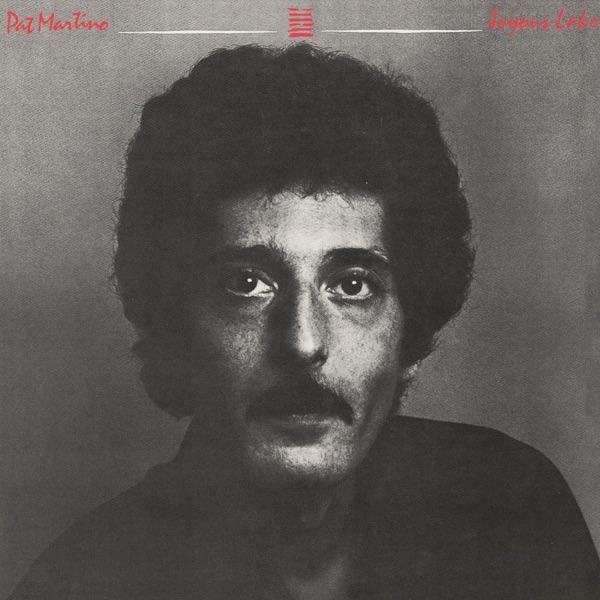
Joyous Lake
Recorded 1976 · Warner Bros. · Personnel: Pat Martino (guitar), Mark Leonard (bass), Kenwood Dennard (percussion)
Fusion With One Foot in Tradition
Martino swings hard over electric grooves, melodic and restless, caught between bebop and the future.
Joyous Lake arrived quietly in 1976, the kind of fusion record that didn't grab headlines but found its audience among players and committed listeners. AllMusic gave it three stars—solid but not extraordinary by their measure—yet critics who dug deeper recognized something special. Ian Patterson at All About Jazz heard a group locked in tight interplay, with Martino "in exceptional, bebop-inspired form," and detected something forward-looking in the melodicism threading through the grooves, as if pointing toward the Pat Metheny Group's later synthesis of tradition and electricity. John Kelman called it an undervalued gem, a record for fusion fans who wanted electric colors without cutting the cord to jazz vocabulary.
The band—Martino with Mark Leonard on bass and Kenwood Dennard on percussion—works in a compressed space, no keyboards or horns to fill gaps, just three musicians finding the pocket between swing and funk. Martino's playing here is restless and melodic, flowing through bebop shapes over rhythms that lock into grooves without pretense. He's not trying to sound like a rock star or prove fusion credentials through sheer technique. The soloing exhilarates because it means something, because melody matters as much as virtuosity.
This isn't Martino's most famous album, and it's not the place to start if you're new to him. But for anyone already drawn to his work, Joyous Lake shows him at a particular crossroads—rooted enough in tradition to swing naturally, electric enough to stay interesting, and confident enough to let the songs breathe.
Who's playing
Mark Leonardbass
Kenwood Dennardpercussion


