1956 · Album
Ellingtonia '56
Recorded 1956 · Norgran · Personnel: Members of the Duke Ellington Orchestra
Hodges Among Ellington's Circle in '56
A saxophonist at home in his own orchestra, leading from within.
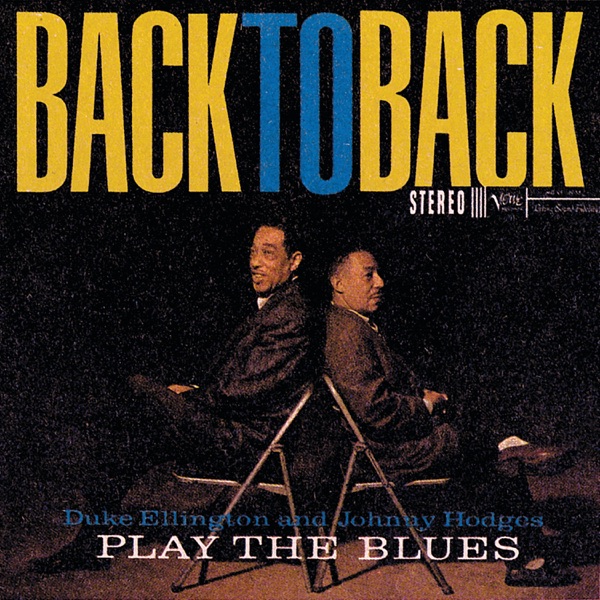
By 1956, Johnny Hodges was already decades into a remarkable run with Duke Ellington's orchestra—he wasn't a young firebrand testing himself for the first time. Ellingtonia '56 finds him in that exact context: a featured soloist backed by the orchestra's own musicians, recording specifically under his own name. This is a saxophonist fully formed and confident, using the session to assert his voice without stepping away from the world he knew best.
The album's appeal lies in how it lets Hodges lead rather than accompany. Freed from the ensemble duties that dominated his orchestra work, he takes the melodic center on each track, playing with the warm, bluesy tone that made him distinctive—breathy and intimate, never straining for flash. The Norgran recordings capture that clearly. There's no reinvention here, no sudden turn toward modernism or a break with tradition. Instead, it's Hodges doing what he had been doing for years, simply handed the spotlight instead of sitting within it.
This isn't the place to start with Hodges if you're new to him. His output with the Ellington orchestra across earlier decades offers richer context and deeper ensemble interplay. But for listeners who already know his sound and want to hear him step forward without leaving home, Ellingtonia '56 delivers exactly that. It's competent, focused, and straightforward—a working musician's record made during a working musician's prime.