Pat Metheny's Box of Sonic Possibilities
Dream Box finds Metheny building intricate soundscapes that feel both intimate and expansive.
Dream Box arrives as a fascinating outlier in Pat Metheny's catalog—a project that feels more like experimental workshop than typical album statement. What makes it distinctive is how Metheny treats the recording itself as an instrument, layering guitars and electronics into these textured environments that don't announce themselves with traditional song structures. Tracks unfold gradually, inviting you into spaces rather than hitting you with clear melodies or grooves. It's patient music, sometimes challenging, the kind of record where you realize halfway through a piece that you've been completely absorbed without noticing.
This isn't peak Metheny in the way that Still Life (Talking) (1987) or some of his other trio work defines his powers. Dream Box occupies that middle ground between accessibility and deep experimentation where devoted fans tend to congregate while newcomers sometimes get lost. The production choices are central—you hear the hand of Metheny in every decision about space and tone, which makes the album feel more personal than orchestral. It's also worth noting this represents a specific moment in his exploration of how guitars and machines could dialogue, before those conversations became more commonplace.
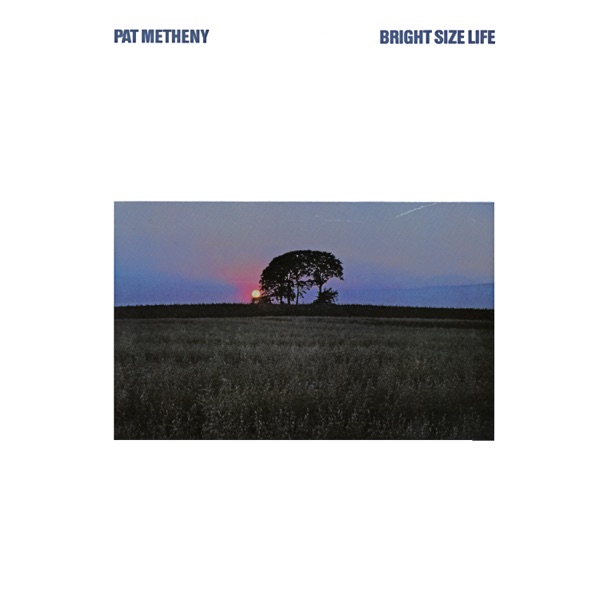
If you're already familiar with Metheny's work, Dream Box rewards careful listening and repeated visits. The album doesn't try to convince you it's essential; it just quietly insists on existing in its own particular way. Start here if you want something different from him. But if you're discovering Metheny fresh, you'd probably benefit more from exploring Bright Size Life (1976) or American Garage (1979) first, where his melodic gifts are more immediately apparent.
Who's playing
Pat Methenyelectric guitar