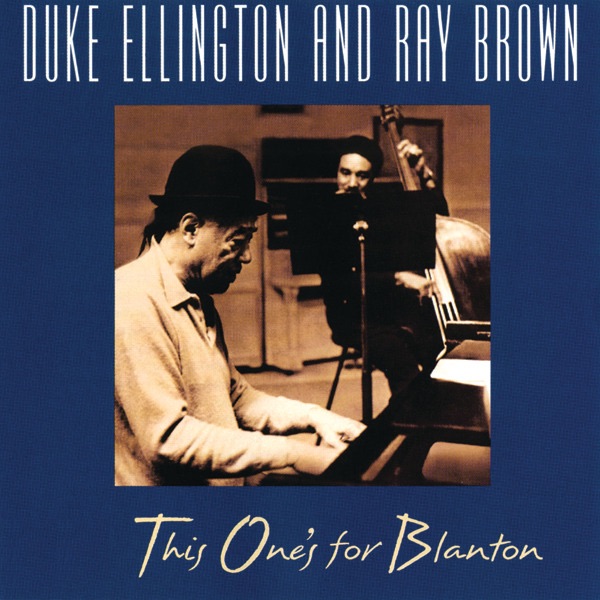
Ray Brown's Foundation, Dinah's Voice
Washington's voice rides effortlessly over a rhythm section anchored by one of jazz's greatest bassists, Ray Brown.
What makes this album the right entry point into Dinah Washington's work isn't the star power—it's the players behind her. Ray Brown on bass is the backbone here, and that matters. Brown was already a legend by the time these sessions happened, and his presence elevates everything around him. He doesn't overplay or show off. He locks in with Teddy Stewart on drums and Freddie Green on guitar to create a pocket so secure that Washington can do what she does best: inhabit a song completely, whether she's swinging hard or pulling back into something tender.
Washington recorded across many styles—blues, R&B, traditional pop, jazz—and this album captures that range without feeling scattered. Her voice had a directness to it, a refusal to oversell emotion, that works perfectly against musicians who understood restraint. Cecil Payne and Ernie Wilkins on saxophones add color and warmth without cluttering the sound. The arrangements breathe. There's space for her phrasing to land, for you to hear what she's actually doing with a lyric.
If you're new to Washington, start here. Not because this is her flashiest recording or her most experimental, but because it shows why she became the Queen of the Blues and Queen of the Jukeboxes—she could sing anything, and she did it with absolute conviction. The musicianship around her is first-rate, which means the focus stays exactly where it belongs.
Who's playing
Ray Brownbass
Freddie Greenguitar
Cecil Paynebaritone saxophone
Ernie Wilkinsalto saxophone
Teddy Stewartdrums
Where next?
More by Dinah Washington
All 35 albums →


The musicians on this record
Their own records, close in time