Faith and Simplicity in Charlie Haden's Prayer
Haden strips away artifice to find something genuinely spiritual in the music.
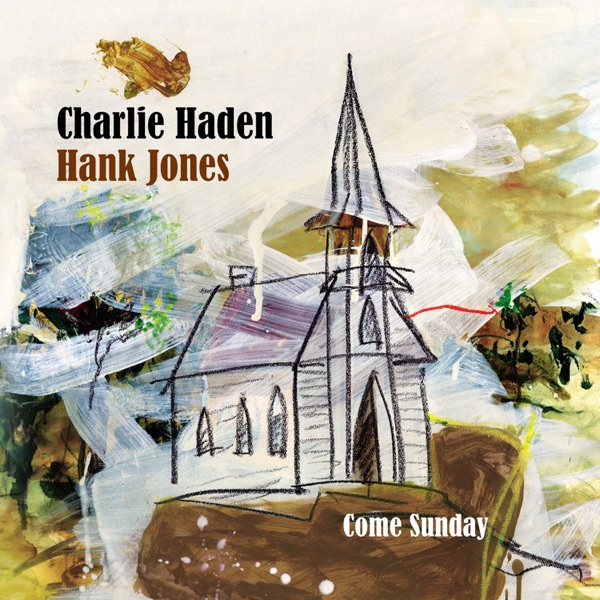
Come Sunday is Charlie Haden playing hymns and spirituals with a quietly insistent faith that never lectures or performs holiness. This is early work, and it finds him approaching sacred material not as a jazz player translating religion into bebop language, but as someone who actually believes the songs matter. The tunes—"Come Sunday," "Wayfarin' Stranger," "In That Great Gettin' Up Mornin'"—are given room to breathe. Haden doesn't decorate them. He holds the bass lines simple and sturdy, letting the melody hang in the air like it's being sung rather than played.
What makes this different from other jazz musicians dipping into spirituals is the lack of irony or distance. There's no winking. Haden seems genuinely moved by these songs, and he trusts that movement is enough. The performances are spare and direct—you hear the wood of the bass, the weight of each note. Compared to more ornate chamber jazz recordings of the period, this one feels almost austere. It's not flashy, and some listeners will find it too simple. But that simplicity is the point. These are songs about faith and endurance, and Haden plays them as if faith and endurance matter.
This isn't the album to start with if you want to hear Haden at his most versatile or adventurous. It's narrow in scope, devoted to a single mood. But if you're drawn to musicians who can find depth in restraint, or if you want to hear someone genuinely engaged with American spiritual music rather than using it as a jazz vehicle, Come Sunday rewards your attention. It's a small record, but it's made with conviction.
Who's playing
Charlie Hadenbass
Hank Jonespiano
Where next?
More by Charlie Haden
All 44 albums →