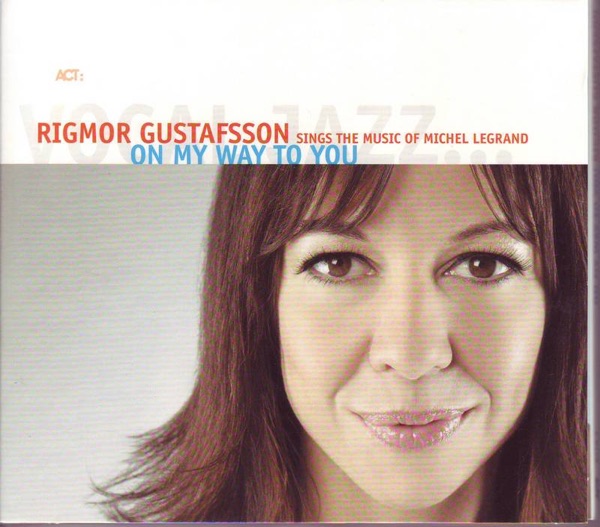
Rigmor Gustafsson Welcomes You Back Home
A intimate, unhurried album where Gustafsson's voice finds room to breathe and settle.
Come Home is a quiet record. The tempo rarely quickens; the arrangements rarely swell. Gustafsson's voice sits close, almost conversational, over spare piano, bass, and brushed drums—the kind of setting where you hear every breath, every small inflection. There's no urgency here, no need to impress. The album moves at the pace of someone genuinely thinking through a lyric, letting a melody unfold naturally rather than rushing to the finish. The instrumentation is restrained by design: this is a singer's album, built around what her voice can do when given space instead of accompaniment.
Gustafsson is a Swedish jazz singer with a long career, and Come Home represents her working in her mature voice—direct, unsentimental, and deeply engaged with the material. These are standards and composed pieces, but she approaches them without ceremony. There's no attempt to reinvent or deconstruct; instead, she simply inhabits each song fully. The album works best when heard as a complete listening experience rather than picked through for highlights. The flow matters. The quiet confidence matters. This is not background music or a showcase record; it demands attention and rewards it with the kind of artistry that only comes from years of honest work.
For listeners already familiar with Gustafsson's discography, Come Home will feel like a natural evolution—her voice still supple and expressive, her phrasing still conversational and musical. If you're new to her work, this is a solid entry point, though it requires patience and a taste for intimate, chamber-like jazz. It's strongest as a late-night record, the kind you return to when you want clarity and human presence rather than flash.