1959 · Album
Chet Baker Sings: It Could Happen To You [Original Jazz Classics Remasters] (OJC Remaster)
Recorded 1953-1956 · Pacific Jazz · Produced by Richard Bock
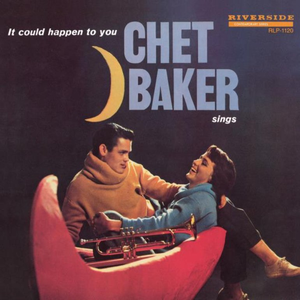
Whisper and space: Baker's quietest triumph
Baker's voice here is almost conversational—intimate, unguarded, occasionally fragile.
Chet Baker's voice on this session sounds like someone singing to you from across a small room, not from a stage. There's no vibrato to speak of, no emotional underscoring—just a voice that moves through the melody the way a horn would, phrasing with the precision and silence of an instrumentalist. The piano and bass don't overwhelm him; they create space around his lines. On tracks like the title song, what stands out is restraint: Baker doesn't reach for drama or power. Instead, the songs breathe. His phrasing is conversational, sometimes uncertain in a way that feels deliberate, as if he's figuring out the lyric as he sings it.
This recording works because Baker treats himself as an equal partner with the accompaniment, not as a vocalist fronting a band. The arrangements are spare, which means every note he doesn't sing becomes noticeable. When he does reach for a note or linger on a word, it carries weight precisely because he hasn't overdone it elsewhere. The sound is intimate without being precious—these aren't orchestral ballads or heavily produced pop numbers, but straightforward jazz standards given the same kind of thoughtful attention Baker brought to his trumpet playing.
This sits early in his vocal career, before he became known primarily as a singer. If you want to hear why musicians respected his approach to melody and phrasing, not just his trumpet sound, this is where to listen. The remaster brings out clarity in the original sessions without adding anything false—the recording quality was always clean, and these transfers simply let you hear exactly what was there: a musician thinking in real time, a voice that never pretends to be bigger than itself.


