2004 · Album
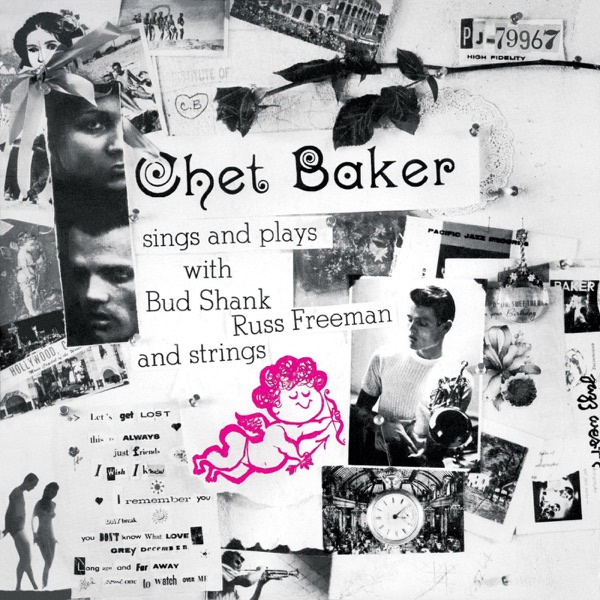
Chet Baker Sings And Plays (Remastered 2004)
Recorded 1959 · Riverside Records · Produced by Orrin Keepnews
Baker's Voice Meets His Horn in Conversation
Baker singing and playing together, intimate and unhurried, letting silence do as much work as sound.
The first thing you notice is how sparse it all is. Baker's trumpet enters without fanfare, breathy and close, like he's playing into your ear. When his voice comes in—and it does, trading off with the horn—there's no lush string section propping him up, no studio tricks. Just the voice, the trumpet, rhythm section, and a lot of air between the notes. This is Baker doing something he'd return to throughout his career: singing and playing as a single voice, two instruments that sound almost like one person thinking out loud.
The album sits somewhere between a jazz session and a pop record, which was Baker's gift and his constant struggle. He was caught between the jazz world and the wider world of commercial music, and albums like this show why he mattered to both. His singing has that cool, almost spoken quality—not technically virtuosic, but convincing. When he takes his horn, he's equally direct. There's nothing flashy here, no competitive showing off. Just a musician who wanted to tell you something and picked whichever tool seemed right at that moment.
This is early in his recording career as a leader, and it captures Baker before the weight of everything caught up with him. The remastering brings clarity to sessions that can sound murky on older pressings—you can hear the individual players breathe, hear the space in the room. If you want to hear Baker on his own terms, without the mythology, this is worth your time.