1981 · Album
As Falls Wichita, So Falls Wichita Falls
Recorded 1980 · ECM Records · Produced by Manfred Eicher

A Guitar Synthesizer Manifesto in the Heartland
Metheny's electric vision finds unexpected warmth in the sparse, windswept landscape of middle America.
As Falls Wichita, So Falls Wichita Falls stands as Pat Metheny's strangest and most divisive record, a portrait of the American plains filtered through synthesizers and electric instruments that still sounds like nothing else he made. Released early in his recording career, it captures Metheny in a genuinely experimental mood—less interested in showcasing his virtuosity on guitar than in building atmospheric soundscapes with Lyle Mays on keyboards and Paul Dresher on electronics. The album feels less like jazz and more like soundtrack music for a place that exists partly in reality and partly in the composer's imagination. Tracks like the title suite sprawl across extended durations, building and dissolving with patience rather than the conversation-based approach of his trio records.
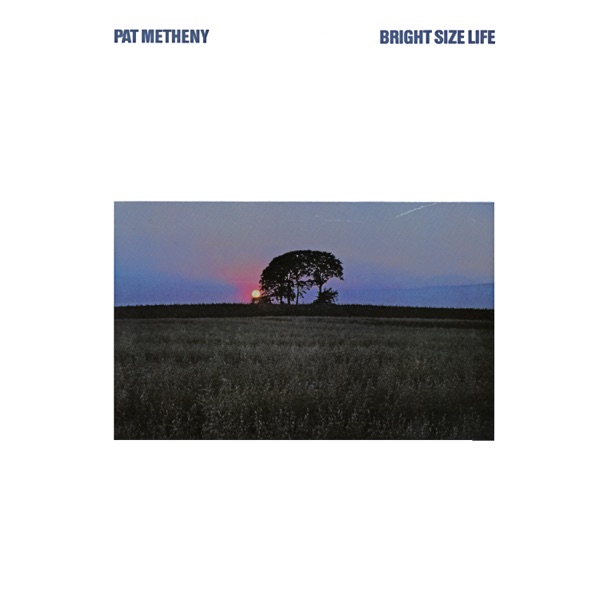
What makes this record worth your time depends on what you want from Metheny. If you came for bebop-influenced lines and harmonic sophistication, look elsewhere—try Bright Size Life (1976) or his work with Ornette Coleman. But if you're curious about an artist reaching for something genuinely strange, this repays close listening. The guitar often sounds processed beyond recognition, paired with synthetic tones that create an oddly desolate mood. There's genuine beauty in how the arrangements breathe and settle, how space becomes as important as the notes themselves. It's meditative without being precious, sparse without being cold.
The album has never been a commercial or critical favorite, even among devoted fans. It's the kind of record people either return to repeatedly or skip entirely. That distance from his more celebrated work shouldn't discourage you—it's exactly what makes it worth investigating. Metheny would go on to achieve far greater success and recognition, but this remains a singular moment where he was thinking sideways, collaborating with artists pushing synthesis into new territory, asking what a guitar could become in a landscape of electronic possibility.
Who's playing