Two Masters in Dialogue, No Compromise
Cyrille and Brötzmann meet as equals, each pushing the other deeper into abstraction.
By the early 1980s, Andrew Cyrille had spent over a decade as one of the most inventive drummers in the avant-garde, but mostly in supporting roles—with Cecil Taylor, Walt Dickerson, and others. Meets Brötzmann in Berlin marks his emergence as a bandleader on his own terms, a peer conversation rather than a sideman session. There is no piano, no bass, no mediating voices—just Cyrille's drums and Peter Brötzmann's saxophone in raw, unflinching dialogue.
Brötzmann brought his characteristically aggressive, overblown tenor sound to the date, a style born from European free jazz and decades of uncompromising experimentation. Cyrille answers not with restraint but with equal ferocity: his drumming here is all sharp accents, rapid-fire snare work, and sudden silences that feel like held breath. The two never settle into grooves; instead they circle each other, testing territory, pulling back, then lunging forward again. This is not about comfort or swing. It is about two musicians with decades of experience in the avant-garde deciding to strip everything away and see what remains.
The record stands apart from Cyrille's other work because it demands nothing from him but invention in real time. No accompaniment, no structure to hide behind, no leader-sideman hierarchy. It is a document of two mature artists at full power, which makes it less an entry point into Cyrille's music and more a destination for listeners already familiar with his authority as a drummer. For those ready for it, the album justifies the trust—Cyrille's grace and propriety, even in contexts this abstract, never abandons him.
Who's playing
Peter Brötzmannsaxophone
Andrew Cyrilledrums
Where next?
More by Andrew Cyrille

Special People 1981
♫
To Hear the World in a Grain of Sand - World Music: Live at the Donaueschingen Festival 1986
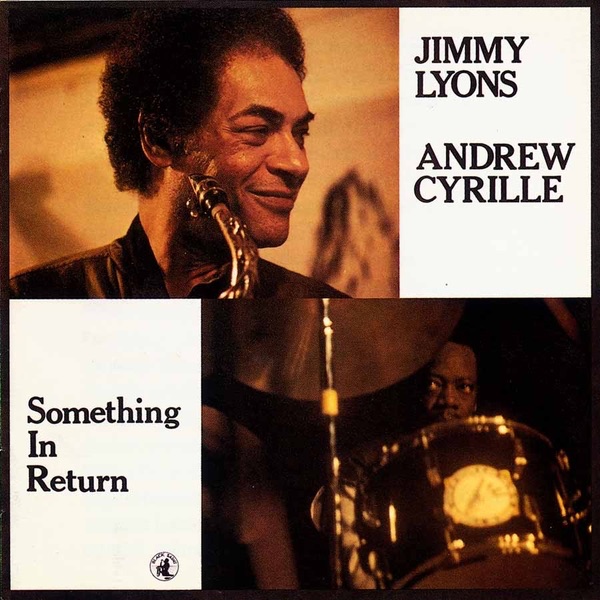
Something in Return
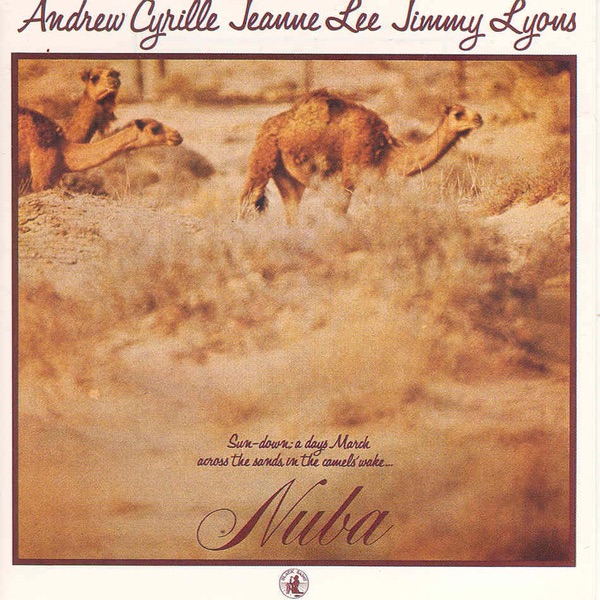
Nuba 1979
The musicians on this record
Their own records, close in time