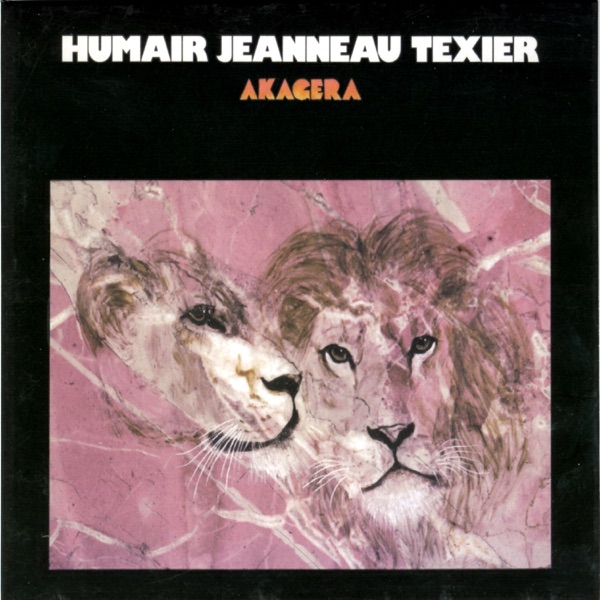
Humair's African Percussion Summit
A drummer stepping fully into composer and bandleader, Akagera announces a new voice entirely.
By 1980, Daniel Humair had spent over a decade as one of Europe's most in-demand drummers — sideman to Martial Solal, Stan Getz, Dexter Gordon, and countless others. Akagera marks the moment he stopped being a brilliant supporting player and became the architect of his own sound. The album is his genuine debut as a bandleader with a coherent vision, and it matters because it's built on something almost no one else in jazz was attempting at the time: a serious engagement with African rhythms and percussion traditions, not as novelty or world-music fusion, but as the structural and spiritual core of the music itself.
The title refers to a national park in Rwanda, and that geography matters — Humair isn't sampling sounds or adding ethnic texture to jazz changes. He's thinking about rhythm itself differently. The band swings, absolutely, but through polyrhythmic conversations that feel rooted in something older than bebop. Horns and reeds move through these textures with clarity and freedom, never fighting the drums but dancing inside them. This isn't academic; it's visceral and fun, and it never stops moving.
Akagera arrived at a moment when European jazz was finding its own language, separate from the American tradition. Humair's contribution — that African percussion doesn't compete with jazz swing but deepens it — influenced a generation of players who came after, especially those interested in world music integration that didn't sound like tourism. The album isn't a masterpiece in the classical sense, but it's essential evidence of an artist finding his real subject.