Marsh's Tender Meditations at Journey's End
A saxophonist in his seventies playing ballads with undeceived tenderness, no tricks, just listening.
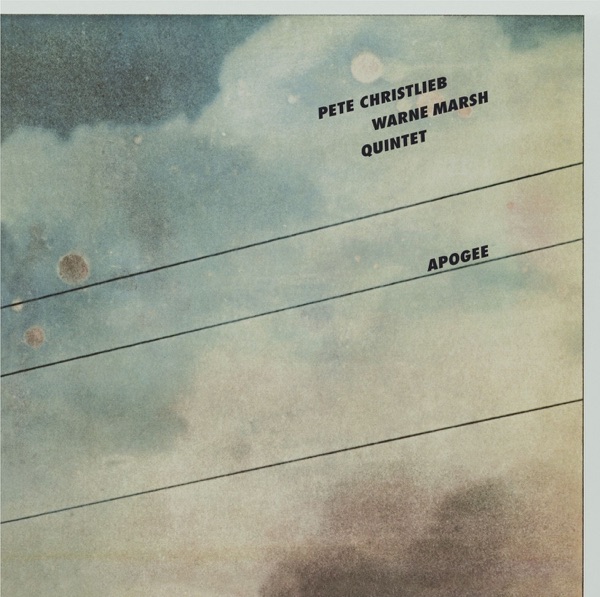
By 1983, Warne Marsh had spent thirty years in the margins—respected by musicians, overlooked by audiences, working steadily but never famous. A Ballad Album arrived late in his career, recorded when most musicians his age were retired or dead. It was not a comeback or a reinvention. It was a summing up.
The album does exactly what its title promises. Marsh plays ballads, standards mostly, with a tone that had grown thinner and more introspective over the decades. There is no flash here, no fast runs or high notes to prove something. Instead, there is an almost conversational quality—a man who knows the songs and trusts the listener to sit still and listen back. The melodies are clear, the phrasing unhurried. You can hear the piano and bass, not as accompaniment but as partners in something quiet and mutual.
This was not Marsh's strongest period musically. The playing is competent and moving, but it lacks the sharpness and invention of his best work from earlier decades. It matters, though, as a portrait of an artist who had nothing left to prove and nothing to hide. For listeners who already knew Marsh's music, it offered a chance to hear him on his own terms at the end. For newcomers, it is an acquired taste—patient, unglamorous, the sound of someone who had simply learned to play with the grain of the wood rather than against it.