The Voice as Instrument
If you only know Sidsel Endresen from her early records, you'd peg her as a gifted, slightly cool-toned Scandinavian jazz vocalist — someone who could have had a comfortable career singing standards and clever pop-jazz hybrids. And for a while, that's basically what she was. Albums like So I Write (1990) show a singer with real technical control and a knack for phrasing, working in that late-80s Norwegian scene where jazz, pop, and folk kept bleeding into each other.
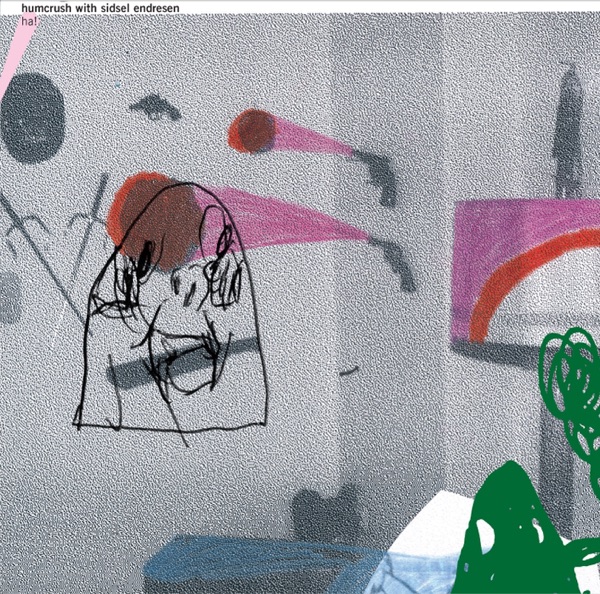
Then something shifted. Somewhere in the 2000s Endresen more or less walked away from conventional singing — words, melody, the whole apparatus — and started treating her voice as a raw instrument. Clicks, breath, guttural noise, long stretches of sound that don't resolve into anything you'd call a song. It's not a gimmick. It takes serious control to make noise that sounds intentional rather than random, and she has that control in spades.
Her duo work with guitarist Stian Westerhus, especially Didymoi Dreams (2012), is probably the clearest entry point into this later phase. Two people in a room, no safety net, building something out of texture and tension rather than chords and choruses. It's not easy listening. It's also not trying to be — this is music made for people who want to hear what happens when a trained musician strips away everything she was trained to do.