Cut, Loop, Play Again
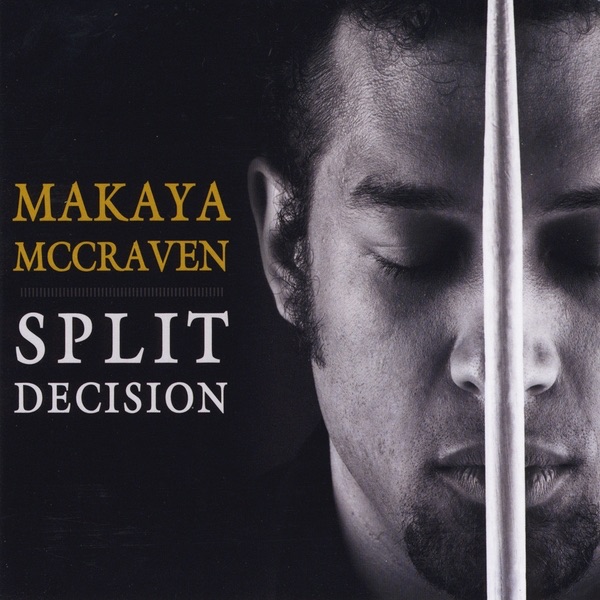
McCraven grew up surrounded by music — his father mapper Hamid Drake is a well-known Chicago percussionist, which means he absorbed a certain looseness and openness to rhythm from an early age. He spent years playing bars and clubs the old-fashioned way, gigging constantly, before he started recording those sessions and treating them as raw material rather than finished documents. That shift is the whole key to understanding what he does.
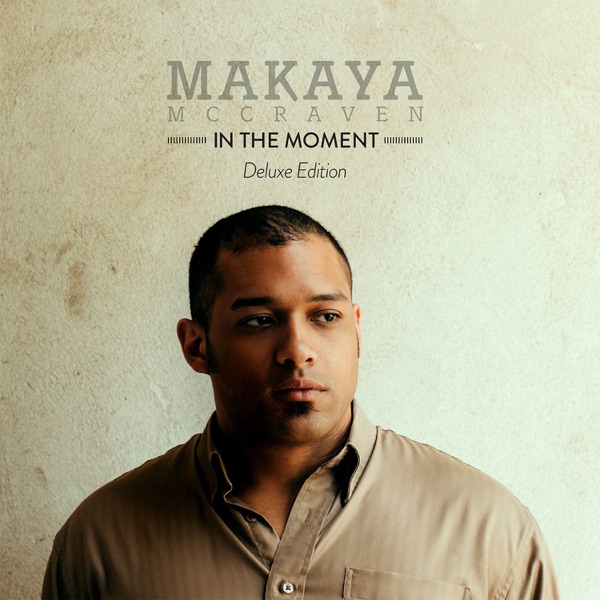
His early records like In the Moment (2015) document that process pretty directly — you can almost hear the seams where he's stitched different takes together, and that's part of the appeal. It doesn't sound clinical. It sounds like someone who loves both J Dilla and Roy Haynes and refused to choose between them. The rhythm section feel is real and earned, not programmed, but the final shape of a track owes as much to editing decisions as to anything that happened in the room.
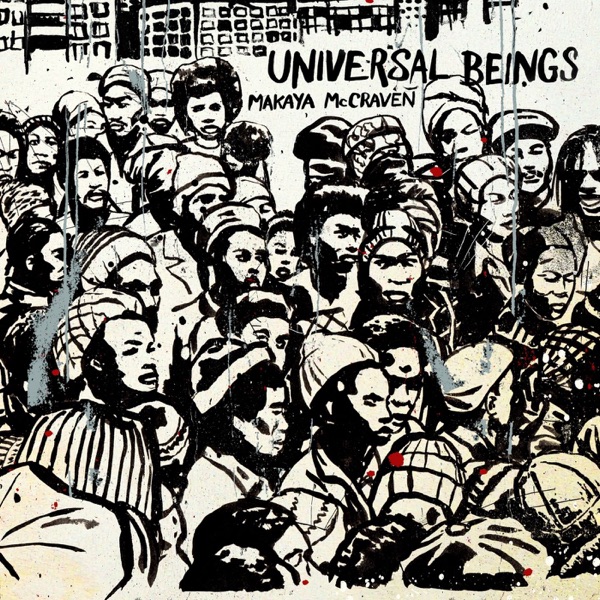
Universal Beings (2018) pushed things further by recording sessions in four different cities — Chicago, London, Los Angeles, and New York — with different collaborators in each place, then weaving them into a single record. The players included Shabaka Hutchings, Junius Paul, Jeff Parker, and Brandee Younger, among others. It worked because McCraven isn't imposing a sound on his collaborators — he's finding the shape of something that was already there, just not fully visible yet.
His reworking of Gil Scott-Heron's late album I'm New Here — released as We're New Again (2020) — introduced him to a much wider audience. Taking Scott-Heron's stark, spoken-word-heavy record and rebuilding it with live drums and sampled textures was a risky move, but it held together because McCraven genuinely understood the source material. He didn't brighten it up or smooth it out. If anything, he made it feel heavier.
What makes McCraven worth paying attention to is that he's figured out a genuinely personal answer to a question a lot of musicians are wrestling with right now — how do you honor improvisation while also shaping music into something with the focus and intentionality of a produced record? A lot of attempts at that end up feeling like neither one thing nor the other. His records feel complete.