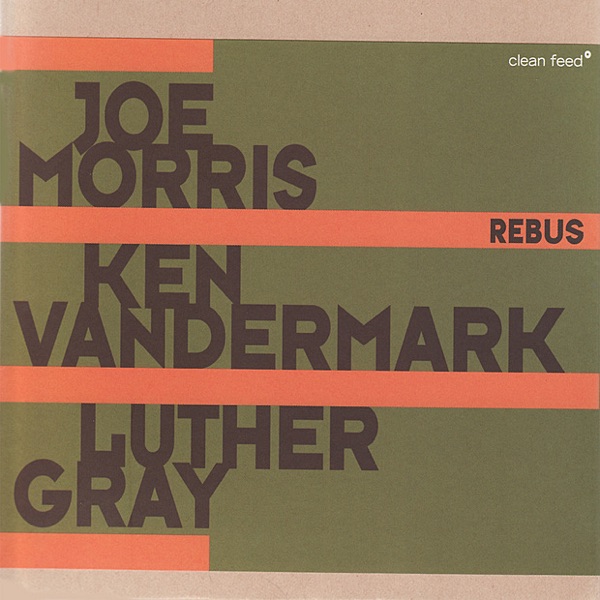
The Workhorse of Chicago Free Jazz
Here's the thing about Ken Vandermark: before 1999, most people outside a pretty small circle of free jazz heads had never heard of him. Then he won a MacArthur Fellowship — the so-called genius grant — and suddenly a guy who'd been playing lofts and small clubs in Chicago was fielding questions from reporters who didn't know a baritone sax from a bass clarinet. He used the money the way you'd hope: to keep working, keep touring, keep starting bands.
And that's really the story with Vandermark. He doesn't sit still. Over the decades he's run or co-run a staggering number of groups — the Vandermark 5, the DKV Trio with bassist Kent Kessler and drummer Hamid Drake, Spaceways Incorporated, Made to Break, Territory Band, and on and on. Albums like Single Piece Flow (1997) show the template early: tight, almost punk-rock heads that snap into collective improvisation and back again, like the band is constantly deciding whether to behave.
He came up listening to Peter Brötzmann and the European free jazz guys as much as the American tradition, and you can hear it — there's a physicality to his playing, a willingness to just blow hard and ugly when the moment calls for it, that owes more to German free improv and even punk rock than to bebop lineage. He's talked about loving Sonic Youth as much as Albert Ayler, and it shows in how his bands build tension through riffs and noise rather than pretty chord changes.
The DKV Trio is probably the cleanest entry point if you want to hear him stripped down — just sax, bass, and drums, with Hamid Drake doing as much melodic work as Vandermark himself. It's loose, conversational, and occasionally ferocious. If you want the more composed side, the Vandermark 5 records show his writing chops — riff-based tunes that leave plenty of room to fall apart on purpose.
Nobody's claiming Vandermark reinvented jazz. What he did was keep a certain strain of it — raw, collective, improvisation-heavy — alive and touring at a moment when a lot of people assumed that music had no audience left. He just kept showing up with a new band, a new record, a new reed in his mouth, until the rest of the world caught up.