The Man Who Harmonized With Himself
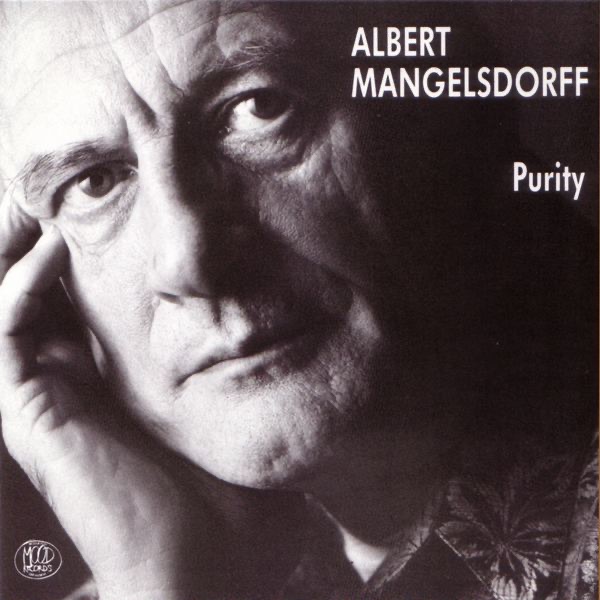
Here's the thing about Albert Mangelsdorff: he played an instrument that jazz mostly used for texture, not lead voice. Trombone guys in bebop and hard bop bands were often the fourth or fifth name on the marquee, filling in behind trumpet and sax. Mangelsdorff didn't accept that arrangement. He made the trombone the whole conversation.
The thing he's most famous for is multiphonics — singing a note into the horn while playing another, so you get two or three pitches stacked on top of each other coming out of a single instrument. It's a technique other brass players had dabbled with, but Mangelsdorff turned it into an actual musical language rather than a party trick. Listen to Trombirds (1973) and you can hear him building whole phrases out of these layered tones, almost like he's accompanying himself. It's strange the first time you hear it. Then it just sounds like him.
He came up in postwar Frankfurt, playing in American-occupation-era clubs where German musicians were absorbing bebop in real time, and by the late 1950s he was already touring with his own groups and getting noticed internationally — which was not a small thing for a German jazz musician in that era. The U.S. State Department sent him on tours of Asia in the early 1960s, and those trips pulled him toward ideas outside the standard American jazz vocabulary. You can hear traces of that in how loose and exploratory his phrasing gets later on — he wasn't interested in just restating bebop lines on a bigger horn.
By the late 1960s and into the 1970s he was deep into free jazz territory, working with European improvisers and building a reputation as one of the few non-American voices that American musicians actually respected as an equal, not a curiosity. He played solo concerts too, which for a trombonist was almost unheard of — just him, the horn, and the multiphonics, holding a room's attention for a full set without a rhythm section to lean on. That takes nerve.
If you're new to him, don't start with the idea that he's a historical curiosity from the German jazz scene. Start with the sound: a guy who decided the trombone could do more than hold down the middle of a horn section, and then spent his whole career proving it, one overtone at a time.