Newsome's Tenor Cuts Through the Political Fire
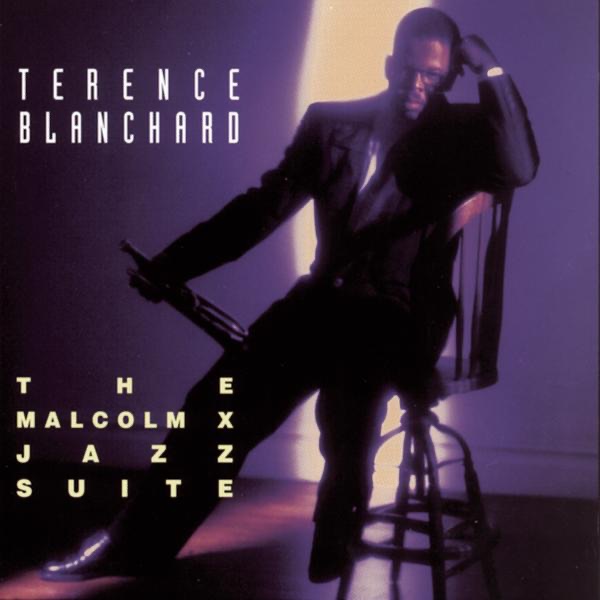
Blanchard wraps a conceptual album around Malcolm X, but Newsome's saxophone keeps it grounded in actual jazz.
The Malcolm X Jazz Suite works because Sam Newsome doesn't treat the subject like a museum piece. His tenor saxophone on these sessions is restless and direct—he's not playing around the edges of Blanchard's trumpet, but actively arguing with it, pushing back. On a record built around a historical figure and a weighty concept, Newsome's presence keeps things from becoming reverent or stiff. He's there to play jazz, not to genuflect.
Blanchard's trumpet frames the suite's narrative arc—homage, protest, legacy—but it's Newsome who supplies the working musician's skepticism that prevents the album from tilting toward documentary. He phrases with a slightly bitter edge, holding notes just long enough to make them uncomfortable. The rhythm section of Tarus Mateen on bass and Bruce Bath on piano keeps things tight and modern, while Troy Davis on drums anchors the harder moments. But Newsome is the counterweight. He's the voice that says this isn't background music to someone else's story.
The Rolling Stone Jazz & Blues Album Guide recognized this tension as a strength, awarding it 4/5 stars. It's neither a straight trumpet recital nor a concept album that sacrifices musicianship to theme. Blanchard was making his statement about Black history and artistic responsibility, but Newsome made sure the statement stayed rooted in the actual business of playing. That balance is what keeps this record alive.
Who's playing
Tarus Mateenbass
Bruce Bathpiano
Sam Newsometenor saxophone
Terence Blanchardtrumpet
Troy Davismembranophone
Where next?
More by Terence Blanchard
All 23 albums →