1973 · Album
The Lost Trident Sessions
Recorded June 1973 · Columbia Records (original session) · Produced by Unknown (original session); Bob Belden (discovery and preparation for release)

Twenty-Six Years in the Vault
A snapshot of the band mid-flight, caught on tape and forgotten until a lucky archival dig brought it back.
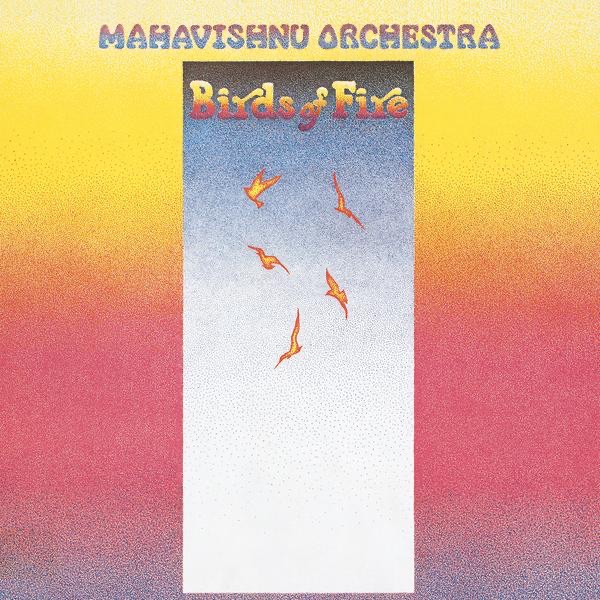
In June 1973, the Mahavishnu Orchestra entered Trident Studios to work on what would have been their third album. The band was at a peculiar moment—not yet past their peak, but the lineup was shifting, the fusion landscape around them evolving fast. Whatever they recorded that day, somebody mixed it to two-track, labeled the quarter-inch reels with nothing but a studio name, and those tapes vanished into Columbia's Los Angeles vault. For more than two decades, nobody knew they were there. Then in November 1998, producer Bob Belden was hunting through the same vault for material to remaster Birds of Fire (1973) when he found them. No track listing. No session notes beyond the location. Just the recording itself, waiting.
What emerged was a band still hungry, still inventive, working through ideas that never made it to vinyl. The music sits between their earlier albums and what fusion would become—you can hear them reaching, experimenting with arrangements and textures without quite landing on a finished statement. It's valuable precisely because it's unpolished, a working session rather than a product. The record spent so long in storage that it became a kind of artifact, a ghost third album that nearly didn't exist.
Critics have received it as an interesting footnote rather than a rediscovery. The Penguin Guide to Jazz Recordings gave it three stars out of four, acknowledging its place in the band's history without overstating its impact. For fans of the era, it fills a gap. For casual listeners, Birds of Fire or Inner Mounting Flame (1971) are the places to start. This is what you dig into once you already know why the Mahavishnu Orchestra mattered.