2001 · Album
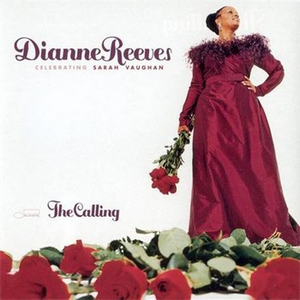
The Calling: Celebrating Sarah Vaughan
Blue Note Records · Released: 2001 · Chart Peak (Jazz): No. 8 US Billboard Top Jazz Albums
In the Room with Sarah's Ghost
Reeves doesn't imitate Vaughan—she inhabits the space Vaughan opened and makes it her own.
The session for The Calling: Celebrating Sarah Vaughan (2001) began with a clear artistic choice: Dianne Reeves would not attempt to recreate the irreplaceable voice of Sarah Vaughan, but instead use Vaughan's repertoire as a launchpad for her own interpretive voice. The album sits comfortably in the middle range of Reeves's catalog—solid, well-received in jazz circles, but not a watershed moment in her career. It reached No. 8 on the US Billboard Top Jazz Albums chart and No. 6 on the Traditional Jazz Albums chart, respectable placements for a tribute that had no real commercial mandate beyond the jazz audience itself.
What makes this work is straightforward: Reeves chooses songs where she can actually add something rather than diminish them. Her phrasing is cooler, more modern than Vaughan's lush romanticism, and the arrangements reflect that sensibility. The record plays neither as nostalgia nor as pastiche. Critics were generally accepting if not enthusiastic—the USA Today review gave it 3.5 out of 4 stars, acknowledging the competence and taste involved without claiming revelation.
This is essential listening if you already know Reeves well and want to see how she addresses the jazz standard tradition. It's less urgent as an entry point to her work. Come here after spending time with her more personal projects, where the stakes feel higher and her voice feels fully her own rather than in dialogue with a legend.
Who's playing
Reginald Vealbass
Mulgrew Millerpiano
Billy Childspiano
Romero Lubamboacoustic guitar
Russell Maloneacoustic guitar
Steve Wilsonsaxophone
Clark Terrytrumpet
Munyungo Jacksonpercussion
Gregory Hutchinsonmembranophone
Where next?
More by Dianne Reeves
All 14 albums →


The musicians on this record
Their own records, close in time


