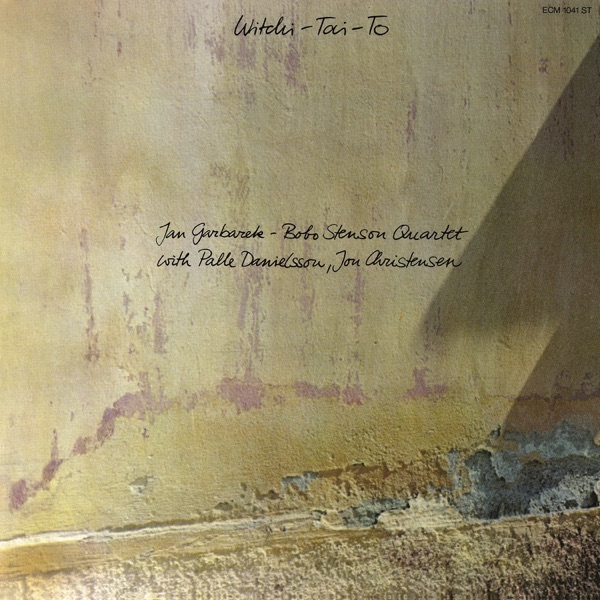
Nordic Restraint and Searching Warmth
Andersen lets silence do as much work as the notes, building something intimate from minimal gestures.
Shimri arrived quietly in 1977, the kind of ECM release that found its audience slowly rather than all at once. It wasn't a statement album or a showcase for virtuosity—it was four musicians listening to each other with uncommon patience, which meant it took listeners a moment to hear what was happening. The album has held steady in Andersen's catalog, respected by those who know his work but never a flashy calling card. That restraint is exactly the point.
Andersen's quartet—featuring Juhani Aaltonen on saxophone, Lars Jansson on piano, and Pål Thowsen on drums—moves through these pieces like a conversation where everyone waits for the other person to finish. There's no rush. Jansson's piano rarely dominates; instead he plants single notes or short phrases that Aaltonen picks up and turns over. Thowsen plays with space, letting gaps breathe. Andersen's bass doesn't anchor so much as suggest—it's there when needed, absent when it isn't. The effect can feel sparse, almost classical, which was exactly what ECM's aesthetic demanded at the time. This is chamber jazz, not the muscular kind. It rewards close listening and doesn't announce itself.
If you've heard Andersen's more celebrated work elsewhere, Shimri feels like an essential waypoint—early enough to catch him still forming his voice, secure enough to trust his instincts completely. It's not the album to start with if you want immediate warmth, but it's the one that explains why people who care about his music came to care at all.
Who's playing